
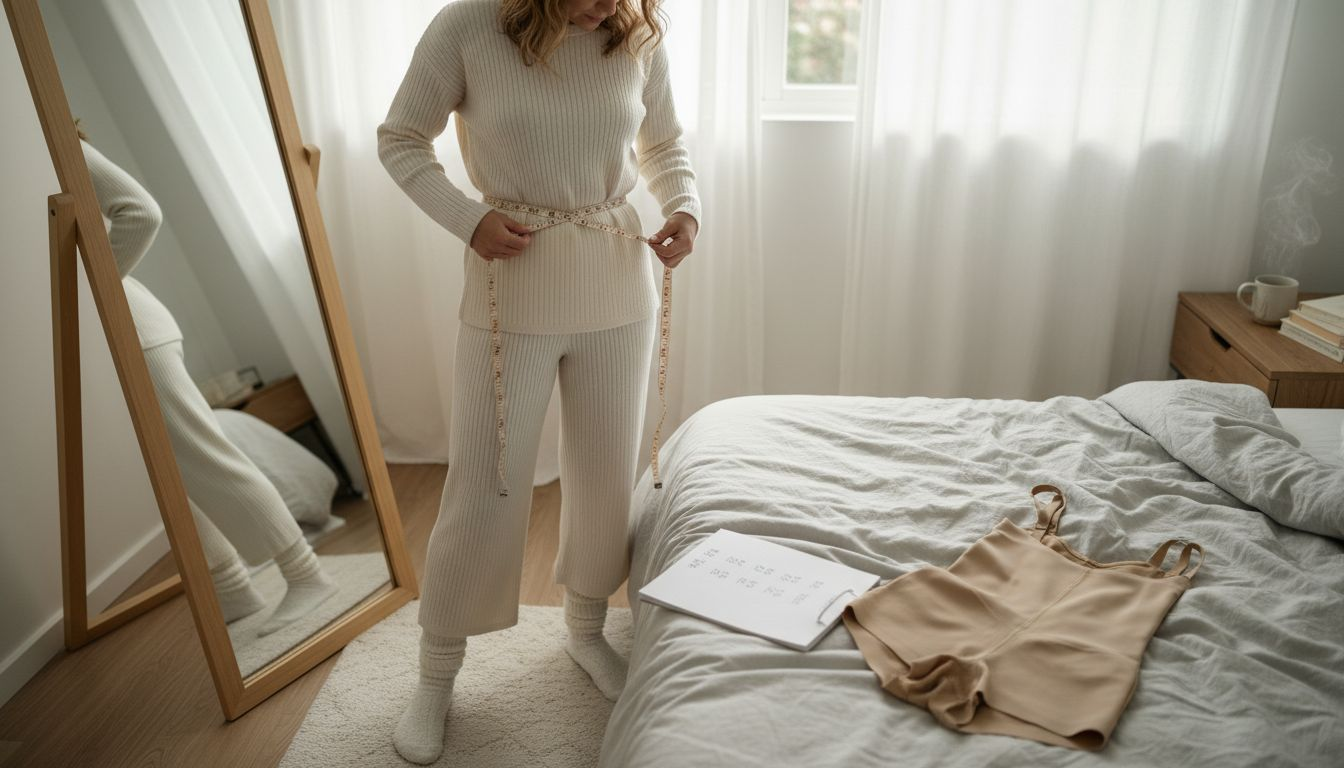
Finding shapewear that fits perfectly can feel impossible when you’re stuck between sizes or dealing with uncomfortable rolls and pinching. 28% of shapewear returns are due to sizing issues, leaving many women frustrated and hesitant to try again. This guide walks you through accurate measuring, reading size charts, and selecting shapewear that celebrates your curves with comfort and confidence.
Table of Contents
- Understanding The Importance Of Accurate Shapewear Sizing
- Prerequisites: What You Need Before Starting
- How To Accurately Measure Your Body For Shapewear
- Understanding And Using Shapewear Size Charts
- Step-By-Step Guide To Finding Your Ideal Shapewear Size
- Common Sizing Mistakes And How To Avoid Them
- Safety Considerations And Warnings
- Expected Results And Outcomes From Properly Sized Shapewear
- Find Your Perfect Fit With Empower Curve Shapewear
- Frequently Asked Questions
Key Takeaways
| Point | Details |
|---|---|
| Precise measurements matter | Take waist, hip, bust, and torso length measurements with flexible tape for accurate sizing. |
| Brand charts vary significantly | Size labels differ by 2-3 inches across brands; always consult specific charts before buying. |
| Fabric stretch affects fit | Account for 20-40% stretch in shapewear fabrics when choosing your size. |
| Start with measured size | Order your true measurement size or one size up for first-time purchases to ensure comfort. |
| Proper fit boosts confidence | Correctly sized shapewear enhances curves naturally without pain or restriction. |
Understanding the Importance of Accurate Shapewear Sizing
Wearing the wrong shapewear size creates more than just physical discomfort. It can lead to skin irritation, constant adjusting throughout the day, and a loss of confidence when you need it most. Incorrect sizing causes discomfort in 67% of users, significantly reducing how long women are willing to wear their shapewear.
The consequences of poor sizing extend beyond temporary discomfort:
- Pinching and rolling that creates visible lines under clothing
- Skin irritation from excessive compression or friction
- Reduced wear time as discomfort becomes unbearable
- Frequent returns and wasted money on ill-fitting garments
Accurate sizing directly impacts your entire shapewear experience. When shapewear fits properly, you can wear it comfortably for the recommended 6-8 hours without pain or constant readjustment. The right fit smooths your silhouette naturally, enhances your curves, and stays in place throughout your day.
Many women make the mistake of sizing down, thinking tighter means better shaping results. This backfires quickly. Overly tight shapewear restricts movement, causes bulging in unexpected places, and can even affect circulation during extended wear.
“The difference between shapewear that works and shapewear that sits unused in your drawer comes down to fit. When sizing is accurate, you forget you’re wearing it while enjoying the confidence boost it provides.”
Pro Tip: If you’re between sizes or new to shapewear, always start with the larger option. You can assess fit after trying it on and exchange if needed, but starting too small guarantees discomfort.
Prerequisites: What You Need Before Starting
Before you begin measuring, gather the right tools and information to ensure accuracy. Preparation prevents common sizing mistakes that lead to returns and frustration.
You’ll need a flexible measuring tape designed for body measurements. Rigid rulers or metal tapes won’t follow your body’s natural curves and will give inaccurate readings. Most fabric stores carry soft measuring tapes for a few dollars, or you can find them online.
Essential items for accurate sizing:
- Flexible cloth or vinyl measuring tape
- Mirror to check tape positioning
- Brand-specific size chart from the manufacturer
- Pen and paper to record measurements
Understanding fabric stretch percentages helps you interpret size charts correctly. Most shapewear fabrics stretch between 20-40%, meaning they’ll expand beyond their resting measurements when worn. Fabric stretch insights explain how this affects garment fit across different body types.
| Fabric Type | Typical Stretch | Sizing Impact |
|---|---|---|
| Standard spandex blend | 20-30% | Order true size |
| High-stretch performance | 30-40% | May size down if between |
| Low-stretch control | 10-20% | Consider sizing up |
Familiarize yourself with the key measurement areas before you begin. Shapewear sizing depends on waist, hip, and bust measurements for most styles. Full-body pieces also require torso length to prevent uncomfortable bunching or pulling.
Pro Tip: Take measurements in the morning before eating when your body is at its most consistent size. Bloating throughout the day can add up to an inch to your waist measurement.
How to Accurately Measure Your Body for Shapewear
Precise measurements form the foundation of successful shapewear sizing. Take your time with each measurement and double-check for consistency before ordering.
Follow these steps for accurate body measurements:
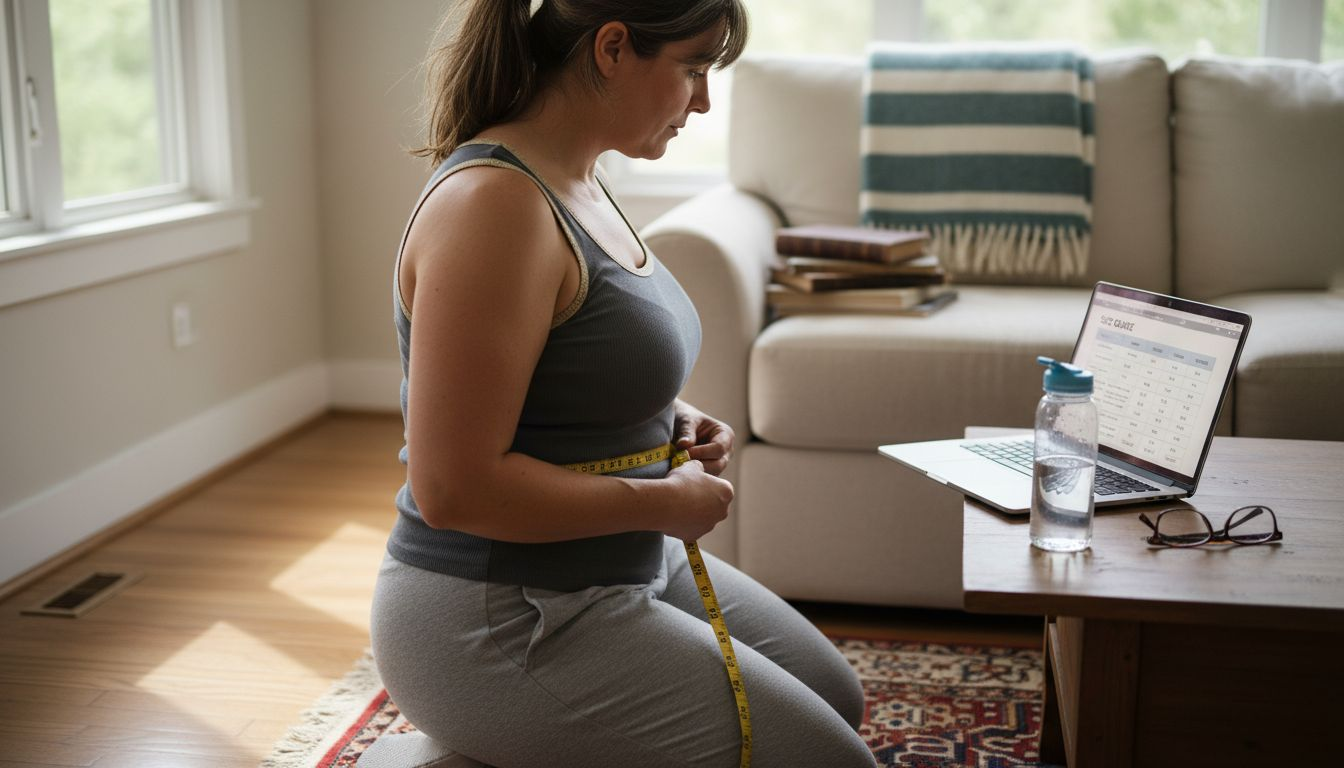
- Stand naturally with feet together and arms relaxed at your sides
- Measure your waist at the narrowest point, typically just above your belly button
- Wrap the tape snugly but not tight; you should be able to slide one finger underneath
- Record the measurement without adding extra inches or pulling the tape taut
- Measure hips at the fullest part, usually 7-9 inches below your waist
- For bust measurement, wrap tape around the fullest part while wearing a non-padded bra
- Measure torso length from shoulder to crotch for full-body shapewear
Flexible tape measures yield the most accurate results for body curves, especially around the hip and bust areas where rigid tools fail to follow natural contours.
Torso length is critical for full-body shapewear but often overlooked. Consulting sizing guides that include torso length measurement can help prevent common issues like pulling up or bunching, which affects 40% of shapewear users. Measure from the top of your shoulder, down between your legs, and back up to the same shoulder point.
| Measurement | Where to Measure | Common Mistakes |
|---|---|---|
| Waist | Narrowest point above navel | Measuring over clothing |
| Hips | Fullest part of buttocks | Standing with feet apart |
| Bust | Fullest part with bra on | Measuring too tightly |
| Torso | Shoulder to crotch to shoulder | Not accounting for height |
Different shapewear styles require different measurements. High waist shapewear panties focus on waist and hip measurements, while waist wrap shapewear prioritizes waist circumference. Plus size shapewear options use extended size charts that accommodate fuller figures with specialized measurements.
Pro Tip: Measure yourself three times and use the average if measurements vary. Small differences in tape tension can create inconsistencies, so averaging gives the most reliable result.
Understanding and Using Shapewear Size Charts
Size charts vary significantly between brands, making it crucial to consult manufacturer-specific guides rather than relying on your usual clothing size. A medium in one brand might fit like a large in another.
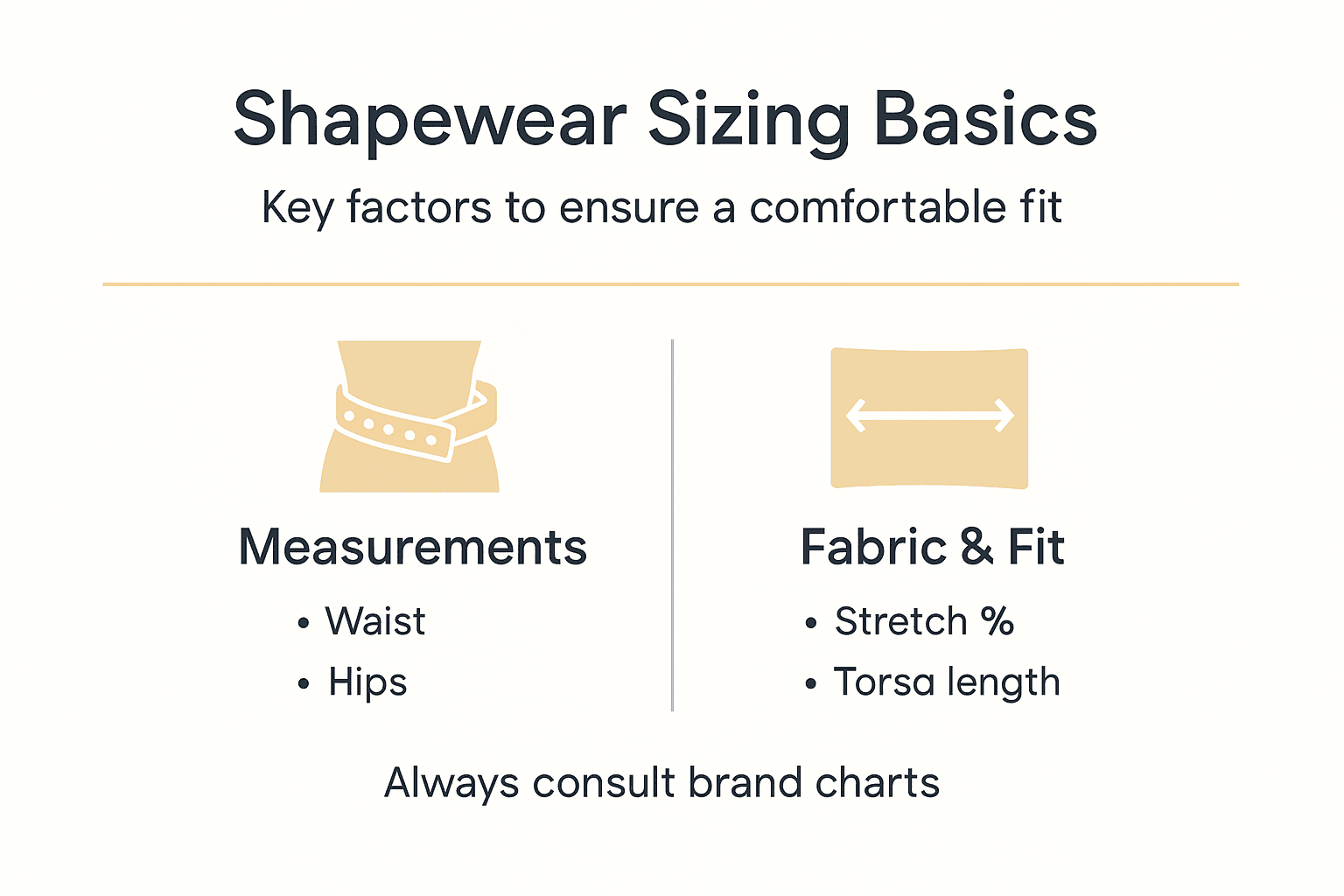
Brand-specific sizing differences often span 2-3 inches for the same size label. This variation stems from different target markets, fabric choices, and compression levels. Always locate and reference the exact brand’s size chart before purchasing.
Key factors when reading size charts:
- Match your measurements to the chart ranges, not your typical clothing size
- Note whether measurements are in inches or centimeters to avoid errors
- Check if the chart accounts for fabric stretch or uses pre-stretch dimensions
- Look for guidance on sizing up or down based on fit preferences
Fabric stretch complicates sizing because shapewear expands when worn. A garment measuring 26 inches at rest might comfortably fit a 30-inch waist due to 20-30% stretch. Brand shapewear size chart comparison shows how different manufacturers account for this in their sizing recommendations.
| Brand Approach | Chart Method | Your Action |
|---|---|---|
| Pre-stretch sizing | Lists stretched dimensions | Order size matching your body |
| Garment sizing | Lists flat garment size | Account for stretch, size up if needed |
| Range sizing | Provides min-max ranges | Choose middle of your range |
If your measurements fall between two sizes on a chart, consider your shaping goals and comfort preferences. Want maximum control? Choose the smaller size if it’s within one inch of your measurements. Prefer all-day comfort? Go with the larger size for less compression.
Adjustable shapewear options offer flexibility through hooks, laces, or elastic panels. These styles accommodate slight size fluctuations and make it easier to find your perfect compression level without being locked into one size.
Remember that shapewear sizing focuses on fit, not vanity. The number or letter on the tag doesn’t matter. What matters is how the garment shapes and supports your body comfortably.
Step-by-Step Guide to Finding Your Ideal Shapewear Size
Once you have measurements and understand size charts, the try-on process reveals whether you’ve found your ideal fit. Physical testing catches issues that measurements alone might miss.
Follow this sizing process:
- Order the size matching your measurements or one size larger for first purchases
- Try on shapewear in good lighting where you can see your full silhouette
- Check for smooth lines without visible bulging or gaps in coverage
- Move naturally; sit, bend, and walk to test comfort during real activities
- Wear for 30 minutes to assess whether discomfort develops
- Evaluate key fit points: waistband stays in place, no rolling at edges, fabric lies flat
Pay attention to these fit indicators:
- Waistband sits comfortably without digging into skin or rolling down
- Hip coverage extends fully without gaps or exposed areas
- Bust area provides support without spillage for styles with bust coverage
- Leg openings stay in place without riding up or cutting into thighs
- Torso length allows comfortable movement without pulling or bunching
If shapewear feels slightly loose but comfortable, wear it for a full day before sizing down. Shapewear should feel snug initially but shouldn’t restrict breathing or movement. Slight looseness often indicates correct sizing, while skin indentations or difficulty breathing signals too small.
When shapewear is too tight, resist the urge to “break it in.” Overly compressed fabric won’t stretch enough to become comfortable. Exchange for the next size up to avoid wasting money on unwearable pieces.
Pro Tip: Try on shapewear over the underwear you’ll actually wear with it. Some styles work best with no underwear, while others require specific undergarment types for optimal fit.
Common Sizing Mistakes and How to Avoid Them
Even with careful measuring, certain pitfalls lead to poor shapewear fit. Recognizing these mistakes helps you avoid discomfort and wasted purchases.
Frequent sizing errors include:
- Ordering a smaller size thinking tighter provides better results
- Ignoring torso length for bodysuits and full-body styles
- Using generic clothing sizes instead of body measurements
- Failing to account for fabric stretch percentages in sizing decisions
- Assuming all brands use identical size standards
Sizing down too aggressively causes immediate and lasting problems. When shapewear is too tight, it creates bulges above and below the garment edges, defeats its smoothing purpose, and becomes painful within hours. You’ll end up removing it early or never wearing it again.
Torso length mistakes plague full-body shapewear users. Short torsos in long garments cause bunching and rolling, while long torsos in short garments create uncomfortable pulling. Always measure and match torso length to prevent these issues.
Continuous wear beyond 6-8 hours increases discomfort regardless of correct sizing. Even perfectly fitted shapewear needs breaks to let your skin breathe and recover from compression. Wearing shapewear overnight or for 12-plus hour stretches risks skin irritation and circulation problems.
Adjustable shapewear corset styles provide built-in size flexibility through multiple hook positions or lacing systems. These designs help you fine-tune compression and accommodate size changes from weight fluctuations or bloating.
Pro Tip: Keep your original measurements and recheck them every six months. Weight changes of even five pounds can shift you between sizes, and using outdated measurements leads to ordering the wrong size.
Safety Considerations and Warnings
Proper shapewear sizing protects more than just your comfort. It safeguards your health by preventing circulation issues, skin damage, and other compression-related problems.
Wearing shapewear for more than 8 consecutive hours can cause discomfort and skin irritation in 35% of users according to dermatological studies. Extended wear compounds any fit issues, turning minor discomfort into significant problems.
Health risks from improper sizing or excessive wear:
- Restricted breathing from overly tight waist or rib compression
- Reduced circulation in legs from tight thigh bands
- Skin irritation, chafing, or rashes from constant friction
- Digestive discomfort from excessive abdominal compression
- Nerve compression causing numbness or tingling in compressed areas
Choose breathable fabrics to minimize skin irritation during wear. Breathable slimming waist shapewear incorporates moisture-wicking materials that reduce sweat buildup and friction against skin.
Correct sizing naturally reduces health risks by ensuring compression stays within safe levels. When shapewear fits properly, it provides shaping support without restricting essential body functions.
“Listen to your body. If shapewear causes pain, difficulty breathing, numbness, or skin color changes, remove it immediately. These symptoms indicate dangerous compression levels that no amount of adjustment will fix.”
Pregnant women and individuals with certain medical conditions should consult healthcare providers before wearing shapewear. Compression garments can interfere with circulation issues, respiratory conditions, or digestive disorders.
Remove shapewear immediately if you experience persistent pain, skin discoloration, or difficulty breathing. These warning signs indicate unsafe compression that exceeds what your body can tolerate comfortably.
Expected Results and Outcomes from Properly Sized Shapewear
When you nail the sizing, shapewear delivers noticeable benefits without the downsides of poor fit. Understanding realistic expectations helps you evaluate whether your shapewear is working correctly.
Properly fitted shapewear provides:
- Comfortable wear for 6-8 hours without pain or skin marks
- Smooth silhouette under clothing with no visible lines or bulges
- Natural-looking curve enhancement that complements your body shape
- Secure fit that stays in place during normal activities without constant adjustment
- Confidence boost from knowing your silhouette looks polished and intentional
Shapewear enhances your natural figure rather than transforming it dramatically. Expect smooth lines, lifted curves, and a streamlined silhouette, not a completely different body shape. Realistic expectations prevent disappointment and help you choose appropriate compression levels.
The right size eliminates common shapewear frustrations. No more rolling waistbands, riding up legs, or having to sneak away to readjust every hour. Well-fitted pieces become invisible under your clothes and forgettable on your body until you catch your reflection and remember why you love them.
Comfort and shaping effectiveness go hand in hand. If shapewear is uncomfortable, it’s not working properly regardless of how smooth it looks. Proper sizing ensures both comfort and results happen simultaneously.
Your confidence grows when shapewear works as intended. You stop worrying about visible lines, wardrobe malfunctions, or discomfort. Instead, you focus on your day knowing your silhouette looks exactly how you want it to.
Find Your Perfect Fit with Empower Curve Shapewear
Now that you understand how to measure and size shapewear correctly, put that knowledge into action with pieces designed for real bodies and real comfort. Empower Curve specializes in shapewear that celebrates your curves while providing the support and smoothing you need.
Our collection includes styles for every need and body type. Seamless high waist shapewear provides tummy control and hip smoothing without visible lines. Full body shapewear with front hook offers head-to-toe shaping with easy bathroom access. Waist wrap shapewear targets your midsection with adjustable compression you control.
Every piece features breathable, stretch fabrics designed to move with your body throughout the day. Use the sizing techniques from this guide alongside our detailed size charts to find shapewear that fits perfectly from the first wear. Experience the confidence that comes from shapewear that actually works.
Frequently Asked Questions
What is the best way to measure for shapewear?
Use a flexible tape to measure your waist at the narrowest point, hips at their fullest, bust, and torso length for full-body shapewear. Make sure the tape is snug but not tight and measure on bare skin or thin clothing for accuracy.
How do fabric stretch percentages affect my shapewear size?
Higher fabric stretch (20-40%) allows for some flexibility in size choice but start with your true measurements. Adjust sizing if fabric stretch is low to avoid restrictive fit or high for looser comfort.
Can I wear shapewear all day?
Limit continuous shapewear wear to 6-8 hours to prevent skin irritation and discomfort. Remove shapewear periodically and choose breathable fabrics for longer days.
What if shapewear feels too tight or uncomfortable?
Do not size down too much; try going one size larger for comfort. Check torso length measurement to avoid bunching and select styles designed for your shape.

