
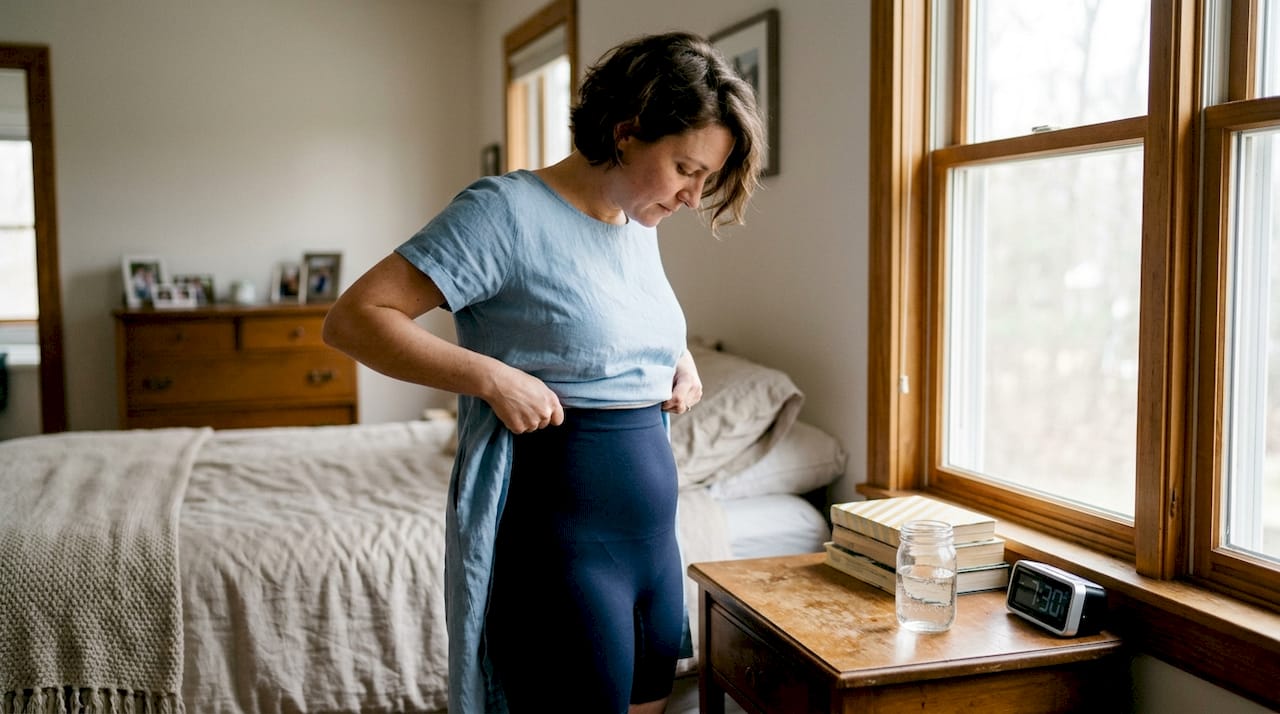
The belief that effective shapewear must squeeze and constrict is outdated. Modern shapewear technology proves you can achieve beautiful shaping without sacrificing comfort. Comfort directly impacts how long you’ll wear shapewear, how confident you’ll feel, and whether it truly supports your body positivity journey. Understanding what makes shapewear comfortable transforms your experience from restrictive to empowering, allowing you to embrace your curves with pieces that move with your body throughout the day.
Table of Contents
- Key takeaways
- Understanding comfort in shapewear: compression levels and fabric mechanics
- How advanced sizing and anatomical design improve comfort for all body types
- Balancing confidence, body positivity, and comfort in shapewear choices
- Practical tips for choosing comfortable shapewear that enhances your style and confidence
- Discover comfortable shapewear that supports your confidence
- Frequently asked questions
Key Takeaways
| Point | Details |
|---|---|
| Balanced compression levels | Daily wear benefits from gentle 8 to 15 mmHg compression that smooths without restricting breathing. |
| Multi zone design | Multi zone compression applies firmer pressure where shaping is needed while maintaining lighter compression in breathable areas. |
| Anatomy based seams | Seam placement follows natural body contours to reduce chafing and rolling. |
| Advanced sizing system | Shape clustered sizing uses 3D body scans to identify distinct body shapes and reduce pressure points. |
| Comfort boosts confidence | Comfort directly influences how long you wear shapewear and how confident you feel. |
Understanding comfort in shapewear: compression levels and fabric mechanics
Comfort in shapewear starts with understanding compression measured in mmHg. The sweet spot for daily wear sits between 8-15 mmHg, providing gentle smoothing without restricting your breathing or circulation for up to 10 hours. This balanced compression delivers the shaping you want while allowing your body to move naturally.
The mechanics behind comfortable shapewear involve sophisticated design choices. Multi-zone compression technology applies firmer pressure where you want shaping while maintaining lighter compression in areas requiring breathability. This targeted approach prevents the all-over tightness that makes traditional shapewear uncomfortable. Seamless bonding and 3D knitting create smooth surfaces that eliminate irritation points.
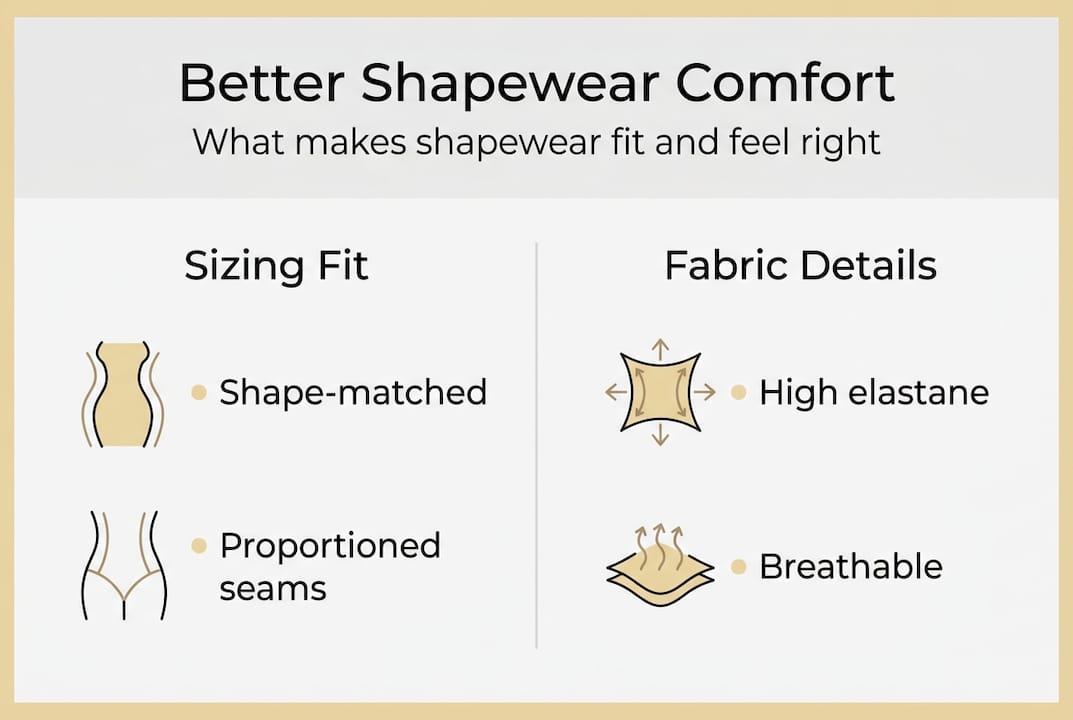
Fabric composition plays a crucial role in how shapewear feels against your skin. High elastane content between 20-30% provides the firm stretch and recovery needed for consistent shaping without creating rigid pressure points. These materials work with your body’s movements rather than fighting against them. Breathable, moisture-wicking fabrics prevent the heat buildup and dampness that cause discomfort during extended wear.
Seam placement aligned to anatomical landmarks prevents two major comfort issues: chafing and rolling. When seams follow your body’s natural contours, they distribute pressure evenly rather than creating concentrated stress points. This strategic placement becomes especially important around the waist, hips, and thighs where movement is constant.
Pro Tip: Look for seamless body suit shapewear featuring 3D knitting technology, which creates garments without traditional seams for superior comfort and durability throughout the day.
The combination of these elements creates shapewear that enhances rather than restricts. When compression levels, fabric properties, and structural design work together, you get pieces that feel like a second skin. This harmony allows you to wear shapewear confidently for work, special events, or everyday activities without counting down the minutes until you can remove it.
“The key to comfortable shapewear lies in balanced engineering where every design choice serves both function and comfort, never sacrificing one for the other.”
Modern seamless high waist shapewear demonstrates these principles in action. By incorporating graduated compression that’s firmest at the core and lighter at the edges, these pieces prevent the muffin top effect while maintaining all-day wearability. The result is shapewear that supports your confidence rather than testing your endurance.
How advanced sizing and anatomical design improve comfort for all body types
Traditional shapewear sizing assumes all bodies within a size category share the same proportions. This approach creates fit issues that compromise comfort, especially for plus-size women whose bodies show greater variation in shape distribution. Shape-clustered sizing systems using 3D body scans identify 12 distinct leg shapes and 8 size categories, dramatically improving fit accuracy.
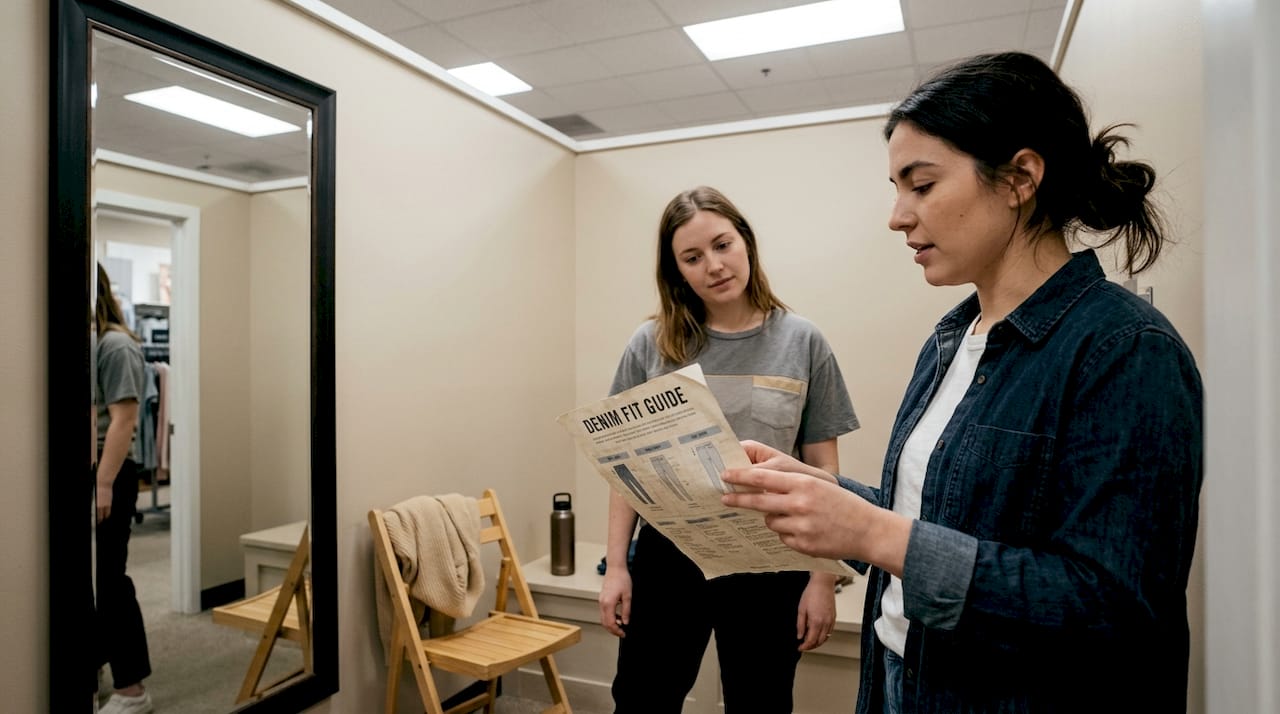
This advanced sizing methodology accounts for morphological variations that affect how compression garments interact with your body. When shapewear matches your specific body shape rather than a generic size chart, it eliminates excessive pressure points that cause discomfort. The difference becomes noticeable within the first hour of wear and compounds throughout the day.
Anatomical seam placement reduces discomfort by 41% according to wear tests conducted over 12 weeks on 37 different styles with plus-size participants. These tests revealed that seams positioned along natural body contours prevent the bunching and digging that plague poorly designed shapewear. The improvement isn’t marginal; it’s the difference between shapewear you tolerate and shapewear you forget you’re wearing.
Your body changes throughout the year due to hormonal fluctuations, muscle development, and natural weight variations. Sizing every 3 months accounts for these changes and maintains optimal comfort. What fit perfectly in January might create pressure points by April, not because the garment changed but because your body did.
| Sizing approach | Comfort level | Fit accuracy | Pressure distribution | Roll tendency |
|---|---|---|---|---|
| Traditional sizing | Moderate | 60-70% match | Uneven, concentrated | High in 40% of wearers |
| Shape-clustered sizing | High | 85-95% match | Even, distributed | Low in 15% of wearers |
Pro Tip: Prioritize brands using anatomical seam alignment and offer detailed fit guides beyond basic small/medium/large categories for long-term comfort that adapts to your body.
The impact of proper sizing extends beyond immediate comfort to affect your willingness to wear shapewear regularly. When pieces fit correctly, they become wardrobe staples rather than special occasion items reserved for times when you’re willing to endure discomfort. Plus size waist hip shapewear designed with shape-clustered principles provides targeted support without the compression-everywhere approach that causes breathing restriction.
Anatomical design also addresses specific challenge areas. The transition zone between compressed and uncompressed areas often creates visible lines or bulging in traditional shapewear. Advanced designs use graduated compression that tapers gradually, eliminating harsh transitions. This approach prevents the squeeze-out effect where flesh appears to bulge above or below the garment edges.
Seamless slimming waist shapewear incorporating these principles demonstrates how far shapewear technology has evolved. These pieces recognize that your waist, hips, and thighs have different compression needs and adjust accordingly. The result is shaping that looks natural under clothing while feeling comfortable against your skin.
Balancing confidence, body positivity, and comfort in shapewear choices
Comfort influences your psychological relationship with shapewear as much as the physical experience. When shapewear feels good, you carry yourself differently. Confidence radiates from knowing your silhouette looks smooth without constantly adjusting or worrying about visible lines. This comfort-confidence connection explains why properly fitted shapewear can genuinely boost self-assurance throughout the day.
Brands promote shapewear for confidence and body positivity through messaging that emphasizes smoothing and support. The intention is empowerment, helping you feel your best in any outfit. However, critics argue this narrative can perpetuate thin ideals and fuel body dysmorphia, particularly in plus-size communities. The concern centers on whether shapewear helps you embrace your natural body or encourages hiding it.
This tension between empowerment and pressure requires honest self-reflection. Shapewear chosen from a place of self-love differs fundamentally from shapewear chosen from shame or external pressure. The former enhances confidence by providing the silhouette you prefer. The latter becomes a tool of self-criticism, suggesting your natural body needs correction.
Comfort plays a crucial role in this distinction. Shapewear that causes physical discomfort rarely supports genuine confidence. Instead, it creates a transactional relationship where you endure pain for appearance. Comfortable shapewear removes this sacrifice, allowing you to focus on how you feel rather than what you’re enduring.
Ways comfort impacts confidence in shapewear:
- Physical ease allows natural movement and posture rather than restricted, self-conscious positioning
- Extended wearability means confidence lasts through entire events without decline
- Absence of adjustment needs prevents the self-consciousness of constantly tugging or repositioning
- Breathability and moisture management maintain freshness that supports self-assurance
- Proper fit eliminates visible lines that undermine the smoothing goal
The body positivity conversation around shapewear acknowledges that different women have different needs and preferences. Some find empowerment in shapewear that smooths their silhouette. Others find empowerment in rejecting shapewear entirely. Both positions are valid. The key is ensuring your choice stems from personal preference rather than societal pressure.
“True body positivity means having the freedom to choose shapewear or not, based on what makes you feel confident and comfortable in your own skin, without judgment either way.”
When selecting shapewear, consider whether it aligns with your authentic self-expression. Does it help you feel more like yourself, or does it feel like you’re trying to become someone else? Comfortable shapewear that enhances rather than transforms supports body positivity by working with your natural shape. Explore the EmpowerCurve shapewear collection designed around this philosophy of enhancement and comfort.
The goal is shapewear that serves you rather than the reverse. When comfort is prioritized, shapewear becomes a tool you control rather than an uncomfortable necessity you endure. This shift in relationship transforms shapewear from a source of ambivalence into a genuine confidence booster.
Practical tips for choosing comfortable shapewear that enhances your style and confidence
Selecting comfortable shapewear requires evaluating multiple factors that work together to create the right fit for your body and lifestyle. Start with these practical steps:
- Measure your body accurately using a soft tape measure at your natural waist, widest part of your hips, and fullest part of your thighs
- Identify your primary shaping goals (waist smoothing, hip support, full body contouring) to select appropriate styles
- Choose compression levels between 8-15 mmHg for daily wear comfort and effectiveness
- Verify fabric composition includes 20-30% elastane for proper stretch and recovery
- Check for moisture-wicking and breathable materials if you’ll wear shapewear for extended periods
- Examine seam placement to ensure alignment with your body’s natural contours
- Order your actual size rather than sizing down, which causes rolling and bulging
- Try shapewear at home for several hours before committing to ensure all-day comfort
Pro Tip: Consider breathability and moisture-wicking properties essential for all-day comfort, especially if you live in warm climates or will be active while wearing shapewear.
Fabric choice significantly impacts comfort and performance. Understanding material properties helps you select shapewear suited to your needs:
| Fabric type | Compression effectiveness | Stretch recovery | Breathability | Best for |
|---|---|---|---|---|
| Nylon/Spandex blend | High, maintains shape | Excellent, returns to original | Good, allows airflow | Daily wear, active use |
| Polyester blend | Moderate, can relax | Fair, may stretch out | Lower, retains heat | Short-term wear, cool environments |
Avoid high compression above 26 mmHg without medical supervision, as this level restricts circulation and breathing. Poor high-waist anchoring causes bulging above the waistband, creating the opposite effect you want. Sizing down leads to rolling at the edges and bulging between compression zones, defeating the smoothing purpose.
Your body type and movement patterns influence where pressure points develop. Clothing pressure varies significantly based on body shape and activity level. Women with fuller hips experience different pressure distribution than those with straighter silhouettes. Consider how you’ll move while wearing shapewear. Sitting, bending, and reaching all test the garment differently than standing still.
Trying multiple fits is essential because sizing varies between brands and styles. What works in one design may not translate to another, even from the same manufacturer. Plan to test shapewear at home for at least 2-3 hours to identify any pressure points, rolling, or breathing restriction that might not be apparent during a quick try-on.
Update your shapewear sizes periodically as your body changes. The shapewear that fit perfectly six months ago may now create pressure points or gaps. Regular assessment ensures continued comfort and effectiveness. Waist wrap shapewear with adjustable features accommodates minor fluctuations without requiring new purchases.
Pay attention to how shapewear interacts with your clothing. Some fabrics and styles work better under certain outfits. Seamless designs prevent visible lines under fitted clothing, while shapewear with defined edges may show through thin materials. Seamless body suit shapewear provides invisible smoothing under even the most form-fitting garments.
Comfort improves when you match shapewear style to your specific needs rather than choosing based on maximum coverage or compression. Targeted pieces that address your particular concerns often provide better results than full-body options that compress areas not requiring shaping. This focused approach delivers the smoothing you want while maximizing breathability and movement in other areas.
Discover comfortable shapewear that supports your confidence
Finding shapewear that truly balances comfort with effective shaping transforms your daily experience. Empower Curve specializes in shapewear designed around the principles explored in this article: balanced compression, anatomical design, and body-positive sizing that works with your natural curves rather than against them.
Our collection features seamless fabrics with optimal elastane content, moisture-wicking properties for all-day freshness, and strategically placed seams that follow your body’s contours. Each piece is engineered to provide the smoothing and support you want while maintaining the comfort you need for extended wear. From seamless body suit shapewear for full-body confidence to waist wrap shapewear for targeted shaping, our range addresses diverse needs and preferences. Explore the EmpowerCurve collection to discover how comfortable, confidence-boosting shapewear can enhance your wardrobe and support your body positivity journey.
Frequently asked questions
What is the ideal compression level for comfortable shapewear?
The recommended compression range is 8-15 mmHg for daily wear, providing gentle smoothing without restricting breathing or circulation for up to 10 hours. Avoid compression above 26 mmHg without medical supervision, as higher levels can restrict blood flow and cause discomfort. This balanced range delivers effective shaping while maintaining all-day wearability.
How does shapewear sizing affect comfort?
Proper sizing dramatically reduces excessive pressure points and prevents rolling at garment edges. Shape-clustered sizing and anatomical seam placement reduce discomfort by 41% compared to traditional sizing approaches. Regular sizing updates every 3 months account for natural body changes from hormonal fluctuations and muscle development, maintaining optimal comfort as your body evolves.
What fabrics make shapewear most comfortable for long wear?
Look for nylon/spandex blends with high elastane content between 20-30% for superior flexibility and shape recovery. Breathable, moisture-wicking materials prevent chafing and heat buildup during extended wear. These fabric properties work together to create shapewear that maintains its shaping power while feeling comfortable against your skin throughout the day.
Can shapewear support body positivity?
Comfortable shapewear can boost confidence and support authentic self-expression when chosen from personal preference rather than external pressure. Brands promote shapewear for confidence and body positivity, though critics caution about potential reinforcement of narrow beauty ideals. The key is selecting pieces that empower you and align with your personal style rather than feeling like a requirement to meet societal standards.

