
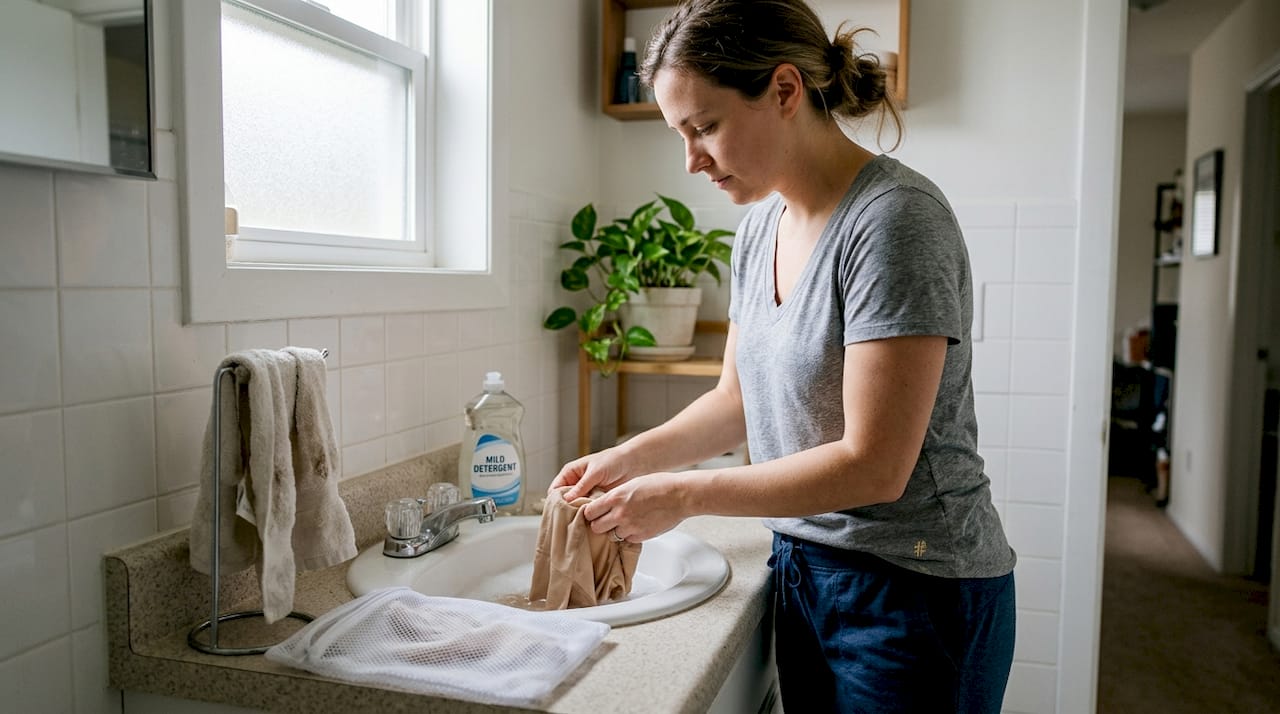
Your shapewear works hard for you every single day, smoothing, supporting, and boosting your confidence from the inside out. But here’s the thing: even the highest-quality pieces lose their shape, stretch, and support faster than they should when care routines fall short. Washing shapewear after every 1-2 wears prevents the breakdown of elasticity from body oils, yet most women skip the basics without realizing the damage adds up. This guide walks you through exactly how to wash, dry, store, and maintain your shapewear so it keeps delivering the fit and confidence you love, wear after wear.
Table of Contents
- How to wash shapewear the right way
- Drying and storing: Preserving elasticity and shape
- Quick fixes for stains and lingering odors
- How often should you wash shapewear?
- What shortens the life of shapewear? Top mistakes to avoid
- Pro tips to maximize comfort and support
- Keep your shapewear in top shape with Empower Curve
- Frequently asked questions
Key Takeaways
| Point | Details |
|---|---|
| Gentle washing matters | Hand wash in cool water to keep fibers strong and supportive. |
| Avoid heat and softeners | Air dry and skip fabric softeners to protect elasticity and fit. |
| Tackle stains carefully | Use mild solutions for spot cleaning without damaging materials. |
| Rotate your pieces | Switch shapewear regularly to maintain both comfort and durability. |
| Check for wear | Replace shapewear once it loses stretch or no longer supports well. |
How to wash shapewear the right way
Washing is where most shapewear damage begins. The fabric blends used in shapewear, think nylon, spandex, and elastane, are engineered to stretch and recover, but they’re also sensitive to heat, harsh chemicals, and rough handling. Getting this step right protects your investment from day one.
Here’s what to do and what to skip:
- Always read the care label first. Hand washing in cool or cold water is usually the safest option.
- Use a mild, gentle detergent. Look for formulas designed for delicates or activewear.
- Never use bleach or fabric softener. Both break down the fibers that give shapewear its stretch and recovery.
- Avoid washing shapewear with towels, jeans, or rough fabrics. The abrasion causes pilling and weakens the material fast.
- Never wring out your shapewear. Twisting distorts the shape and stresses the seams. Instead, press it gently against the sink to remove water.
Pro Tip: If you prefer the convenience of a machine wash, place your properly cleaned shapewear inside a mesh laundry bag and select the delicate cycle. Delicate cycle and cool water wash preserve shapewear elasticity far better than a standard cycle.
“Treating shapewear like the performance fabric it is, with gentle handling and cool water, is the single most effective way to extend its life and keep it supportive.”
Drying and storing: Preserving elasticity and shape
Washing well is only the beginning. How you dry and store shapewear can be just as important for keeping it in peak condition.
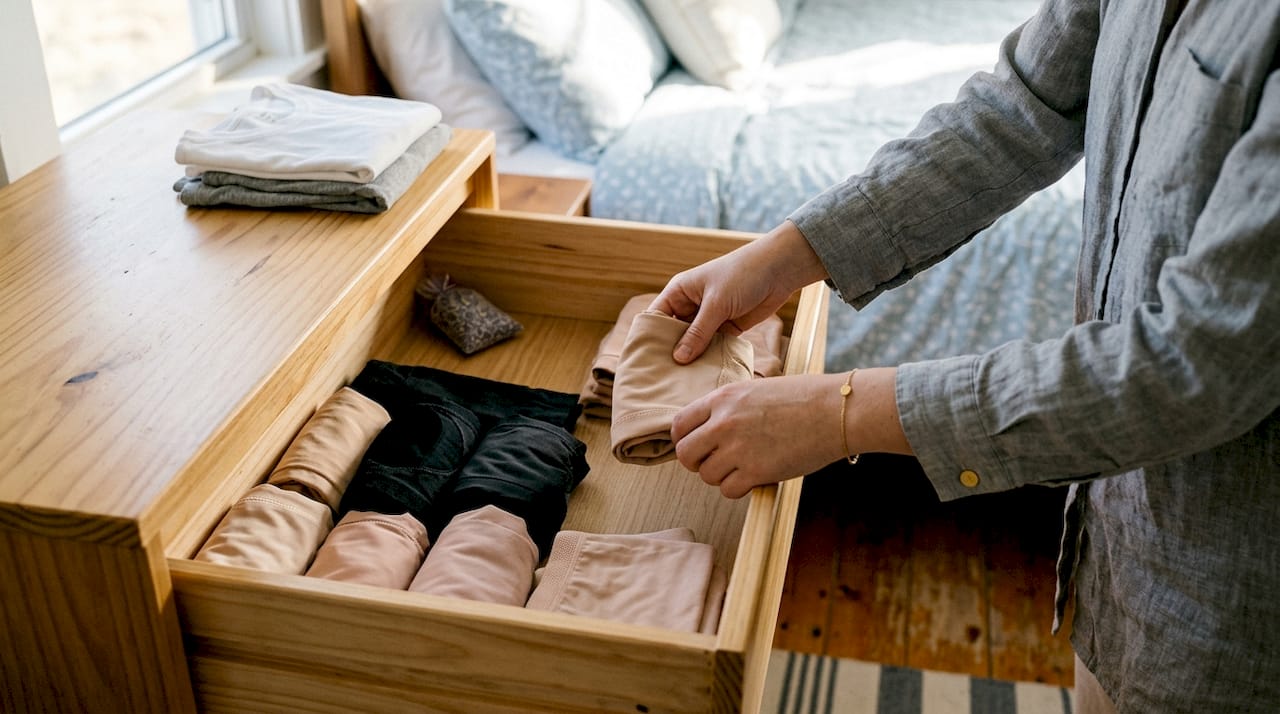
The number one rule: never put shapewear in the dryer. Heat damages elastic fibers in shapewear, causing them to break down faster than normal wear ever would. Even a low heat setting adds up over time.
Follow these drying and storage habits instead:
- Air dry flat on a clean towel or hang on a drying rack away from direct sunlight. UV rays weaken synthetic fibers over time.
- Reshape the garment while damp so it dries in its correct form, not stretched or bunched.
- Fold pieces gently rather than stuffing them into a drawer. Overstuffing creates permanent creases and stretches waistbands.
- Give your backless shapewear storage its own dedicated space, whether that’s a small drawer or a fabric organizer, so pieces aren’t crushed under heavier clothing.
Pro Tip: Tuck a small sachet of dried lavender or cedar into your shapewear drawer. It keeps pieces smelling fresh between wears without any chemical sprays that could affect the fabric.
Quick fixes for stains and lingering odors
Even with regular care, stains and odors can happen. Here’s how to tackle them safely without damaging the material.
For sweat stains or sunscreen marks, act fast. Soak the affected area in cool water with a small amount of mild detergent for 15 to 20 minutes before washing as normal. For odors, add half a cup of white vinegar to a cool water soak. Vinegar removes odor and stains from synthetic fabrics effectively and safely.
Follow these steps for routine stain and odor removal:
- Rinse the garment in cool water immediately after noticing the stain or odor.
- Mix a small amount of mild detergent or half a cup of white vinegar into a basin of cool water.
- Submerge the shapewear and let it soak for 15 to 30 minutes.
- Gently work the fabric with your fingers around the stained area. Do not scrub hard.
- Rinse thoroughly until no detergent or vinegar remains.
- Press out excess water and air dry flat.
Before spot treating any stain, always test your solution on an inside seam first to make sure it won’t affect the color or fabric. This is especially important for plus size shapewear cleaning where fabric panels may vary.
Did you know? Up to 80% of shapewear damage is linked to improper stain removal methods, including hot water, harsh scrubbing, and strong chemical cleaners.
Pro Tip: Always let shapewear dry out completely between wears. Storing it while still damp creates the perfect environment for odor-causing bacteria to grow.
How often should you wash shapewear?
Addressing stains is just one piece of the puzzle. Next, let’s talk about how often you should actually wash your shapewear.
Washing after every 1-2 wears prevents the breakdown of elasticity from body oils and sweat. But the right frequency also depends on the type of shapewear, how much you sweat, and how long you wear it.
| Shapewear type | Recommended wash frequency |
|---|---|
| Full bodysuit | After every 1-2 wears |
| Waist trainer | After every 1-2 wears |
| Shaping shorts | After every 1-2 wears |
| Thigh shaper | After every 2-3 wears |
| Shaping camisole | After every 2-3 wears |
| Lightly worn pieces | After every 3 wears max |
Factors to consider when deciding your own wash schedule:
- Sweat level: High-intensity activity or warm weather means washing more often.
- Skin contact: Pieces worn directly against skin need more frequent washing than those layered over other clothing.
- Odor or residue: If you notice any smell or feel, wash it regardless of how recently you cleaned it.
- Fabric weight: Heavier compression pieces may need slightly less frequent washing than lightweight shapers.
For your slimming waist shapewear routine, sticking to a consistent wash schedule keeps the compression performing at its best.
What shortens the life of shapewear? Top mistakes to avoid
Understanding routine care is key, but it’s equally important to avoid habits that quietly shorten the life of your favorite pieces.
| Right approach | Wrong approach |
|---|---|
| Air dry flat or on a rack | Tumble dry on any heat setting |
| Cool or cold water wash | Hot water wash |
| Mild detergent | Fabric softener or bleach |
| Mesh bag in machine | Loose in washing machine |
| Gentle hand wash | Rough scrubbing or wringing |
| Fold neatly | Stuff into a crowded drawer |
Common mistakes that wear out shapewear faster:
- Using hot water, which breaks down spandex and nylon fibers quickly.
- Applying fabric softener, which coats the fibers and reduces their ability to stretch and recover.
- Ironing shapewear at any heat setting. The synthetic fibers melt or warp under direct heat.
- Washing with rough fabrics like denim or towels that cause surface pilling.
- Folding incorrectly, especially rolling waistbands tightly, which creates permanent creases.
Fabric softeners, high heat, and frequent machine washing all accelerate stretch-out, which means your shapewear loses its support much sooner than it should. This applies to all types, including latex shapewear mistakes that are especially vulnerable to heat and chemical damage.
“The elastic in shapewear is what makes it work. Once those fibers are compromised by heat or chemicals, no amount of washing or care can bring them back.”
Pro tips to maximize comfort and support
Let’s finish with expert-backed tips to help you get the most from your shapewear, day after day.
Rotating pairs and letting them rest helps keep shapewear supportive for much longer. Elastic fibers need time to recover between wears, just like muscles after a workout. Wearing the same piece every day without a break accelerates stretch-out.
Key habits that protect your shapewear and your comfort:
- Rotate between at least two pieces so each one gets 24 to 48 hours of rest between wears.
- Never size down hoping for extra shaping. Pieces that are too tight stress the fibers and seams, causing them to break down faster.
- Apply shapewear on completely dry skin. Lotions, oils, and body creams transfer to the fabric and degrade the fibers over time.
- Check seams and waistbands regularly for early signs of wear so you can adjust your care routine before damage gets worse.
- Explore comfort-first bodysuits and adjustable shapewear that are designed to flex with your body rather than fight it.
Pro Tip: With consistent care, including gentle washing, air drying, and regular rotation, quality shapewear can stay supportive two to three times longer than pieces that are washed carelessly. That’s a significant difference in both performance and value.
Keep your shapewear in top shape with Empower Curve
If you’re ready to level up comfort and support, Empower Curve has you covered. The care tips in this guide work best when paired with shapewear that’s built to last. At Empower Curve, every piece is designed with breathable, high-quality fabrics that respond well to gentle care and reward you with lasting support.
From seamless high waist shapewear to full-coverage seamless body suit shapewear, the collection is built for real bodies and real life. Whether you’re looking for everyday smoothing or special occasion support, you’ll find pieces that move with you, not against you. Explore the full range and find the right fit for your body and your lifestyle, backed by free shipping and a money-back guarantee.
Frequently asked questions
Can I put shapewear in the dryer?
No. Always air dry shapewear flat or on a rack because heat damages elastic fibers and causes permanent loss of stretch and support.
Is it okay to use fabric softener on shapewear?
Avoid fabric softeners entirely. Fabric softeners accelerate stretch-out by coating the fibers and reducing their ability to snap back into shape after each wear.
How frequently should I replace my shapewear?
Replace shapewear every 6 to 12 months, or sooner if it loses stretch and no longer holds its shape. Proper care extends shapewear life significantly, so consistent routines push that timeline further.
What can I do if my shapewear loses elasticity?
Once elasticity is gone, it cannot be reversed. Retire worn-out pieces and start rotating multiple pairs going forward to prevent the same issue from happening too soon.

