
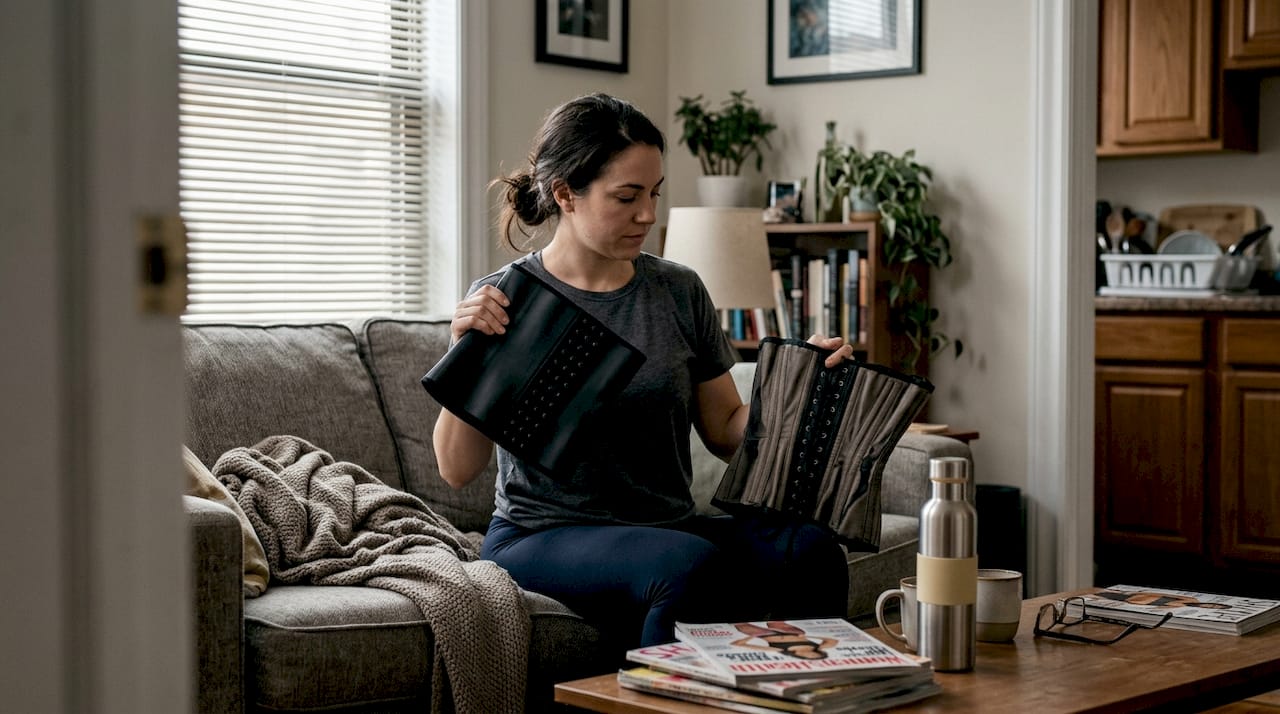
Most people think waist trainers and corsets are interchangeable for shaping curves, but their effects and risks could not be more different. One offers temporary compression while the other promises lasting reshaping, yet both carry serious health considerations. This guide breaks down their real differences in results, risks, and who should or should not use them. You’ll learn what actually works for lasting waist confidence and how to keep your body safe while enhancing your silhouette.
Table of Contents
- Waist trainers and corsets: Understanding the basics
- Visible results: What waist trainers and corsets can (and can’t) do
- Health risks and comfort: What you need to know
- Who should use (and avoid) waist trainers and corsets?
- Alternative ways to achieve a slimmer waist
- Confident curves: Explore safe shapewear at Empower Curve
- Frequently asked questions
Key Takeaways
| Point | Details |
|---|---|
| Corsets reshape, trainers compress | Corsets can reshape your waist with long-term use, while waist trainers give only temporary results. |
| No fat loss by either | Neither device melts fat; all slimming is from compression or tissue movement. |
| Health risks require caution | Waist trainers and corsets can affect breathing, organs, and digestion if worn too tightly or for too long. |
| Alternatives are safer | Exercise, diet, and gentle shapewear offer safer and sustainable ways to enhance curves. |
| Consult for medical issues | Always talk to a healthcare provider before using any shaping device if you have health concerns. |
Waist trainers and corsets: Understanding the basics
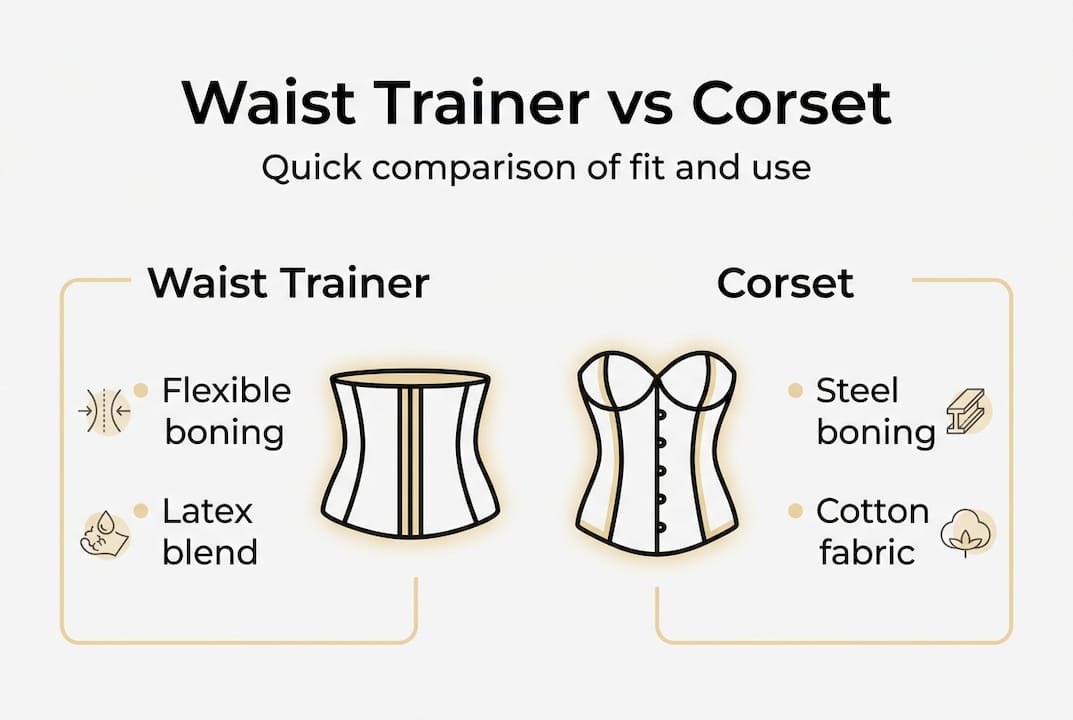
Waist trainers are modern compression garments made from latex, neoprene, or spandex with flexible boning and hook-and-eye closures. They wrap around your midsection to create instant slimming through compression. Corsets are structured garments with rigid steel boning, lacing systems, and heavy-duty fabric designed for dramatic waist reduction. The key difference lies in their construction: waist trainers flex with your body, while corsets hold a fixed shape.
Each device works differently to shape your waist. Waist trainers compress soft tissue and create thermal effects that cause temporary water loss. Corsets use rigid structure to physically reshape your torso over time. Corsets provide strategic reshaping and can achieve long-term waist reduction of 2-4 inches with consistent waist training, while waist trainers offer only temporary slimming via compression and water loss.
Waist trainers aim for immediate visual slimming under clothes and during workouts. Corsets target lasting waist reduction through gradual tissue redistribution. Historically, corsets date back centuries as fashion and posture devices, while waist trainers emerged in the 2010s as fitness accessories. Modern waist trainers prioritize comfort and flexibility, whereas traditional corsets emphasize dramatic reshaping through rigid construction.
| Feature | Waist Trainer | Corset |
|---|---|---|
| Material | Latex, neoprene, spandex | Cotton, satin, steel boning |
| Closure | Hook-and-eye, velcro | Lacing system |
| Flexibility | High flexibility | Rigid structure |
| Primary goal | Temporary compression | Long-term reshaping |
| Typical wear time | 2-8 hours | Gradual increase to 8+ hours |
With the basics clear, let’s look at how each method delivers visually and what that means for your results.
Visible results: What waist trainers and corsets can (and can’t) do
Both devices create instant waist slimming the moment you put them on. Waist trainers compress your midsection by 1-3 inches immediately, smoothing your silhouette under clothing. Corsets can cinch your waist 3-6 inches instantly through lacing. However, these effects disappear the second you remove the garment.
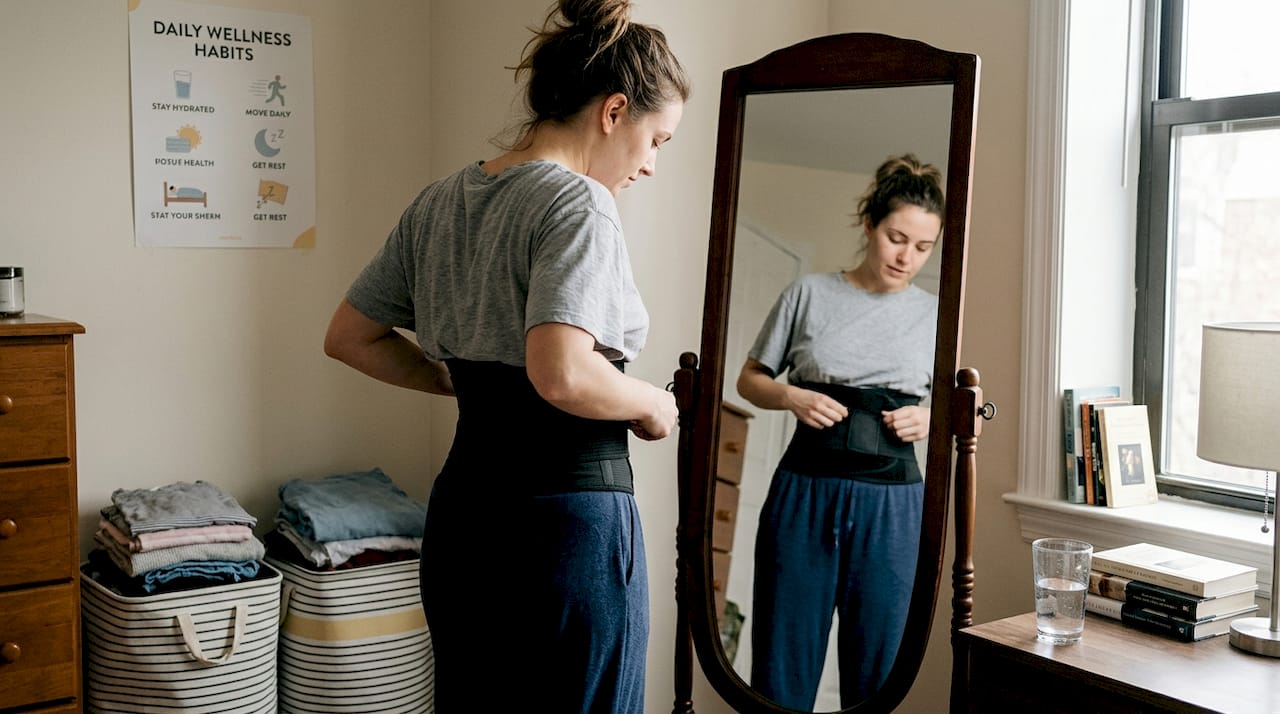
Long-term reshaping is where the two diverge dramatically. No empirical evidence supports permanent fat loss or reshaping from waist trainers, as effects are temporary compression and fluid loss. Corset reshaping involves soft tissue redistribution, not fat reduction. With consistent daily wear over months or years, corsets may achieve 2-4 inches of semi-permanent waist reduction by gradually shifting soft tissue and organs.
Neither device burns fat or builds muscle. The weight loss some users report comes from water loss through sweating, reduced appetite from compression, or improved eating habits. Any immediate visual slimming effects reverse once you stop wearing the garment.
Timeline for visible changes:
- Immediate (0-1 hour): Both create instant compression and slimming
- Short-term (1-4 weeks): Temporary water weight loss, no structural changes
- Medium-term (2-6 months): Corsets may begin soft tissue redistribution with daily wear
- Long-term (6+ months): Corsets can achieve 2-4 inches of semi-permanent reshaping
| Effect Type | Waist Trainer | Corset |
|---|---|---|
| Instant slimming | 1-3 inches | 3-6 inches |
| Fat reduction | None | None |
| Permanent reshaping | None | 2-4 inches possible |
| Duration after removal | Minutes | Hours to days |
| Requires ongoing use | Yes | Yes for maintenance |
For those seeking complementary contouring solutions, combining shapewear with healthy lifestyle changes delivers better results than compression alone.
Knowing what’s possible with each, let’s explore the comfort and safety implications for real-life wearers.
Health risks and comfort: What you need to know
Short-term discomforts include excessive sweating, restricted breathing, limited mobility, and digestive discomfort during meals. Many users report difficulty bending, sitting comfortably, or performing daily activities while wearing either device. The compression creates heat buildup that leads to skin irritation and rashes.
Medical risks escalate with prolonged or tight wear. Health risks include reduced lung capacity of 30-60% for tight wear, organ displacement, digestive issues, breathing alterations, and potential skin and nerve damage. Your diaphragm cannot expand fully, limiting oxygen intake during physical activity.
“Tight waist compression can reduce lung capacity by 30-60%, compress internal organs, and cause long-term musculoskeletal problems. The risks significantly outweigh any temporary aesthetic benefits.”
Who should absolutely avoid waist trainers and corsets:
- Pregnant or postpartum women without medical clearance
- Anyone with respiratory conditions like asthma or COPD
- People with heart conditions or circulation problems
- Those with digestive disorders or acid reflux
- Individuals recovering from abdominal surgery
- Anyone with chronic pain or spine instability
Experts consistently warn against daily long-term wear. While enthusiasts claim benefits, medical professionals emphasize that organ compression and breathing restriction pose serious health threats. Your core muscles can weaken from relying on external support, leading to poor posture when not wearing the device.
Pro Tip: Listen to your body and stop at the first sign of pain, numbness, or breathing difficulty. Discomfort is your body’s warning signal that something is wrong.
Let’s clarify who should consider, or avoid, these options to help you choose wisely.
Who should use (and avoid) waist trainers and corsets?
Avoid in pregnancy, postpartum without clearance, respiratory, heart, or digestive conditions, or during twisting exercises. Corsets work better for posture in stable spine issues but are not substitutes for medical braces. Anyone with existing health conditions should consult their healthcare provider before using compression garments.
Some people may benefit from limited use. Costume enthusiasts, performers, and those seeking temporary shaping for special events can use these devices safely for short periods. People with specific postural issues may find corsets helpful under medical supervision, though they should never replace prescribed orthopedic braces.
How to test your body’s tolerance safely:
- Start with just 1-2 hours of wear on the loosest setting
- Monitor for any breathing difficulty, pain, or numbness
- Gradually increase wear time by 30 minutes weekly if comfortable
- Never exceed 8 hours daily, even after adaptation
- Take breaks every 2-3 hours to allow your body to recover
- Stop immediately if you experience any adverse symptoms
Check with your healthcare provider if you have any medical conditions, take medications that affect circulation, or have had abdominal surgery within the past year. Your doctor can assess whether compression garments are safe for your specific situation.
With risks and suitability in mind, let’s look at research-backed alternatives for waist slimming that work without the drawbacks.
Alternative ways to achieve a slimmer waist
Expert consensus confirms neither causes fat loss, and risks outweigh unproven benefits for daily long wear. Sustainable alternatives include HIIT, strength training, and balanced diet for waist slimming without organ strain. These methods build core strength, reduce body fat, and create lasting changes without health risks.
Effective alternatives for waist slimming:
- High-intensity interval training (HIIT): Burns fat efficiently while building core strength
- Strength training: Builds muscle that increases metabolism and shapes your waist
- Core-focused exercises: Planks, side planks, and rotational movements strengthen your midsection
- Balanced nutrition: Reduces overall body fat, including around your waist
- Gentle shapewear: Provides smoothing without compression or health risks
- Posture work: Strengthens back muscles for natural waist definition
For those wanting non-restrictive solutions, modern shapewear offers comfortable support. Gentle shaping options provide smoothing without the extreme compression of waist trainers. Comfortable shapewear alternatives move with your body while enhancing your natural curves.
Pro Tip: Combine movement and style for best results. Wear flexible shapewear during workouts to support your core, then switch to seamless options for everyday confidence.
Finally, let’s break down the main takeaways to help you choose your best waist-shaping approach confidently.
Confident curves: Explore safe shapewear at Empower Curve
You deserve shapewear that enhances your curves without compromising your health or comfort. Modern solutions balance effective shaping with flexibility, breathability, and all-day wearability. At Empower Curve, we believe body confidence should never come at the cost of your wellbeing.
Our collection offers versatile options for every need and occasion. Seamless High Waist Shapewear provides gentle smoothing that moves with you throughout your day. For targeted support, Waist Wrap Shapewear delivers flexible compression without rigid restrictions. If you prefer structured shaping, our Underbust Latex Shapewear Corset offers the look you want with modern comfort features. Every piece is designed to support your confidence while respecting your body’s natural movement and breathing.
Frequently asked questions
Can waist trainers and corsets permanently reduce waist size?
Waist trainers offer only temporary slimming, while corsets may achieve up to 2-4 inches of soft tissue reshaping with consistent, long-term use.
Is using a waist trainer safe every day?
Daily waist trainer use can lead to health risks including reduced lung function, digestive issues, and musculoskeletal problems.
Are corsets or waist trainers better for posture?
Corsets can support posture for stable spine issues but are not substitutes for medical braces. Always consult a doctor first.
What is the main difference between a waist trainer and a corset?
A waist trainer provides temporary compression for instant slimming, while a corset offers rigid structure for possible long-term reshaping.
Are there safe alternatives to waist trainers or corsets?
Yes, exercise, healthy eating, and flexible shapewear are safer for achieving a slimmer waist without health risks.

