
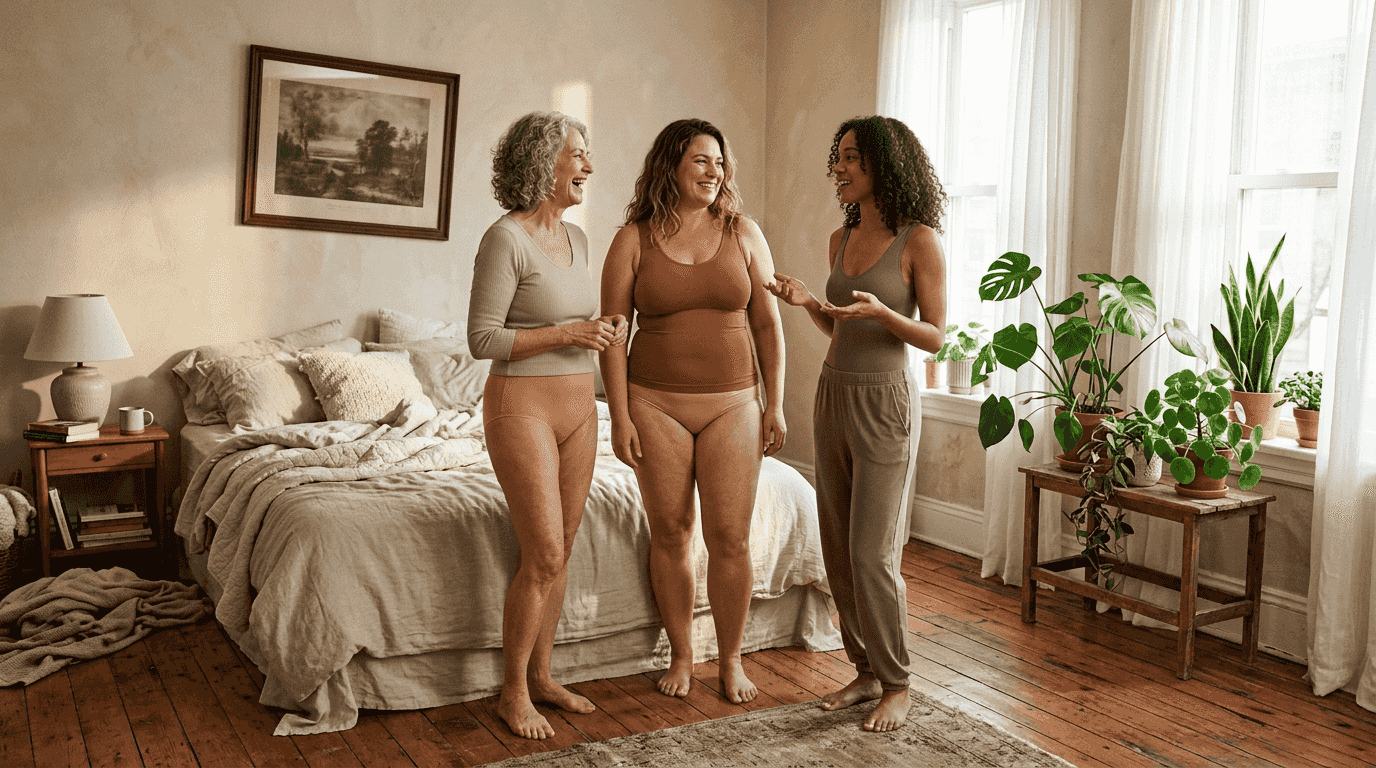
Shapewear often carries a reputation for being uncomfortable, restrictive, and forcing unrealistic body standards. Many women avoid it entirely, believing it contradicts body positivity or causes physical discomfort. Modern shapewear challenges these outdated notions by focusing on enhancing your natural curves rather than reshaping your body into something it’s not. When chosen correctly, shapewear becomes a tool for confidence and comfort, supporting your figure while celebrating your unique shape. This guide walks you through selecting shapewear that fits well, feels good, and aligns with body positivity principles, helping you embrace your curves with comfort and style.
Table of Contents
- Understanding Shapewear And Body Positivity
- Choosing Shapewear That Fits Comfortably And Flatters Your Outfit
- Fabric Selection And Its Impact On Comfort And Performance
- How Shapewear Supports Pelvic Health And Posture For Confidence
- Explore Comfortable, Confident Shapewear At Empower Curve
Key takeaways
| Point | Details |
|---|---|
| Proper fit prevents discomfort | Sizing correctly eliminates rolling, pinching, and visible lines under clothing. |
| Enhance natural curves | Modern shapewear supports your body’s shape rather than forcing unrealistic silhouettes. |
| Fabric affects performance | Materials like Microfiber Luxe offer breathability while Powernet provides stronger compression. |
| Match style to outfit | Different shapewear designs suit specific clothing types and occasions for optimal comfort. |
| Never size down | Choosing smaller sizes creates fit problems and reduces comfort significantly. |
Understanding shapewear and body positivity
Body positivity in shapewear means enhancing natural curves rather than achieving unrealistic body ideals. This philosophy shifts shapewear from a tool of conformity to one of empowerment. Instead of hiding or drastically altering your shape, quality shapewear smooths and supports what’s already there, giving you confidence in how your clothes fit and how you feel.
Shapewear mechanics involve compression to redistribute fat and smooth the body’s contours. The key lies in balanced compression that shapes without constricting. Too much compression causes discomfort, breathing difficulties, and circulation issues. Too little fails to provide the smoothing effect you want. Quality shapewear finds the sweet spot where you feel supported but not squeezed.
Common fabrics used in shapewear include nylon, spandex, and polyester blends. Each material brings different properties to the garment:
- Nylon provides durability and smooth texture against skin
- Spandex delivers stretch and recovery for consistent compression
- Polyester blends add moisture wicking and shape retention
- Microfiber combinations offer softness for all day wear
Brands promoting inclusivity design shapewear for diverse body types and sizes. They recognize that bodies come in countless shapes, and one compression level or style doesn’t work for everyone. Look for companies offering extended size ranges and multiple compression options. Seamless body suit shapewear exemplifies this inclusive approach, designed to move with your body rather than against it.
“The best shapewear celebrates your body as it is, providing support and smoothing while maintaining comfort throughout your day.”
When exploring shapewear options, prioritize brands that emphasize comfort alongside shaping. Read product descriptions carefully for mentions of breathable fabrics, seamless construction, and flexible compression zones. These features indicate designs created with real bodies in mind. Making confident fashion choices starts with undergarments that support rather than restrict, allowing you to focus on how you want to present yourself to the world.
Pro Tip: Look for shapewear brands that show diverse body types in their marketing photos, as this often indicates genuine commitment to inclusivity and realistic fit expectations.
Choosing shapewear that fits comfortably and flatters your outfit
Shapewear fit is crucial for comfort and avoiding visible lines, with style depending on the outfit worn over it. A bodycon dress requires different shapewear than loose trousers or a flowing skirt. Tight fitting clothing shows every seam and edge, making seamless styles essential. Looser garments offer more flexibility in shapewear choice.
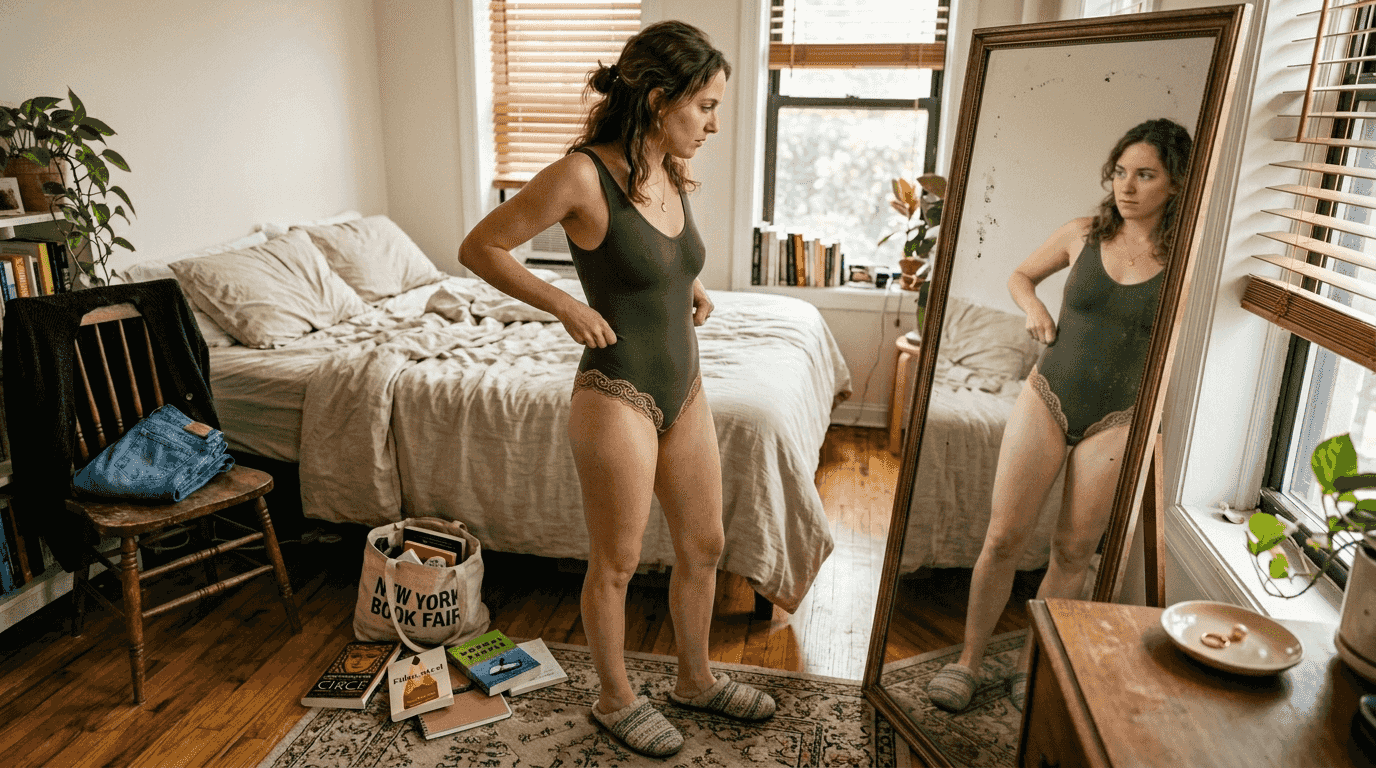
Common shapewear fit problems include rolling waistbands, pinching, thigh squeeze, visible lines, riding up, and awkward torso fit in bodysuits. Each issue stems from incorrect sizing or style mismatch. Rolling waistbands happen when the band is too tight or positioned incorrectly on your torso. Thigh squeeze occurs when leg openings cut into your skin, creating bulges rather than smoothing them.
Correct sizing makes the difference between shapewear that works and shapewear that tortures. Many women assume sizing down increases control, but this backfires dramatically. Smaller sizes create pressure points, restrict movement, and actually emphasize problem areas through compression marks and bulging. Your shapewear should feel snug but never painful.
Follow these steps to find your correct size:
- Measure your bust, waist, and hips with a flexible tape measure
- Compare measurements to the specific brand’s sizing chart
- Choose the size that matches most of your measurements
- If between sizes, select the larger option for comfort
- Read customer reviews for insights on fit accuracy
Different outfits call for specific shapewear styles. Form fitting dresses pair best with seamless high waist shapewear that eliminates visible panty lines and waistband edges. Backless or low cut tops require shapewear with strategic cutouts or convertible straps. Pants and skirts work well with high waisted shorts or briefs that smooth the midsection without showing through clothing.
Pro Tip: Measure your body and compare to brand sizing charts before purchase, as shapewear sizes vary significantly between manufacturers and don’t always align with regular clothing sizes.
Avoid these common fit mistakes:
- Choosing shapewear based on desired size rather than actual measurements
- Ignoring fabric composition and stretch properties
- Selecting styles with seams that align with problem areas
- Wearing shapewear that requires constant adjustment throughout the day
Full body shapewear with front hook designs offer adjustable compression, allowing you to customize fit based on comfort needs and outfit requirements. This flexibility proves especially valuable as your body changes throughout the month or year. The ability to loosen or tighten compression prevents the need for multiple shapewear pieces in different sizes.
Fabric selection and its impact on comfort and performance
Fabric significantly impacts shapewear performance, including compression and comfort, based on fiber composition and knit structure. The material determines how shapewear feels against your skin, how it breathes during wear, and how long it maintains its shaping properties. Understanding fabric characteristics helps you select shapewear suited to your lifestyle and climate.
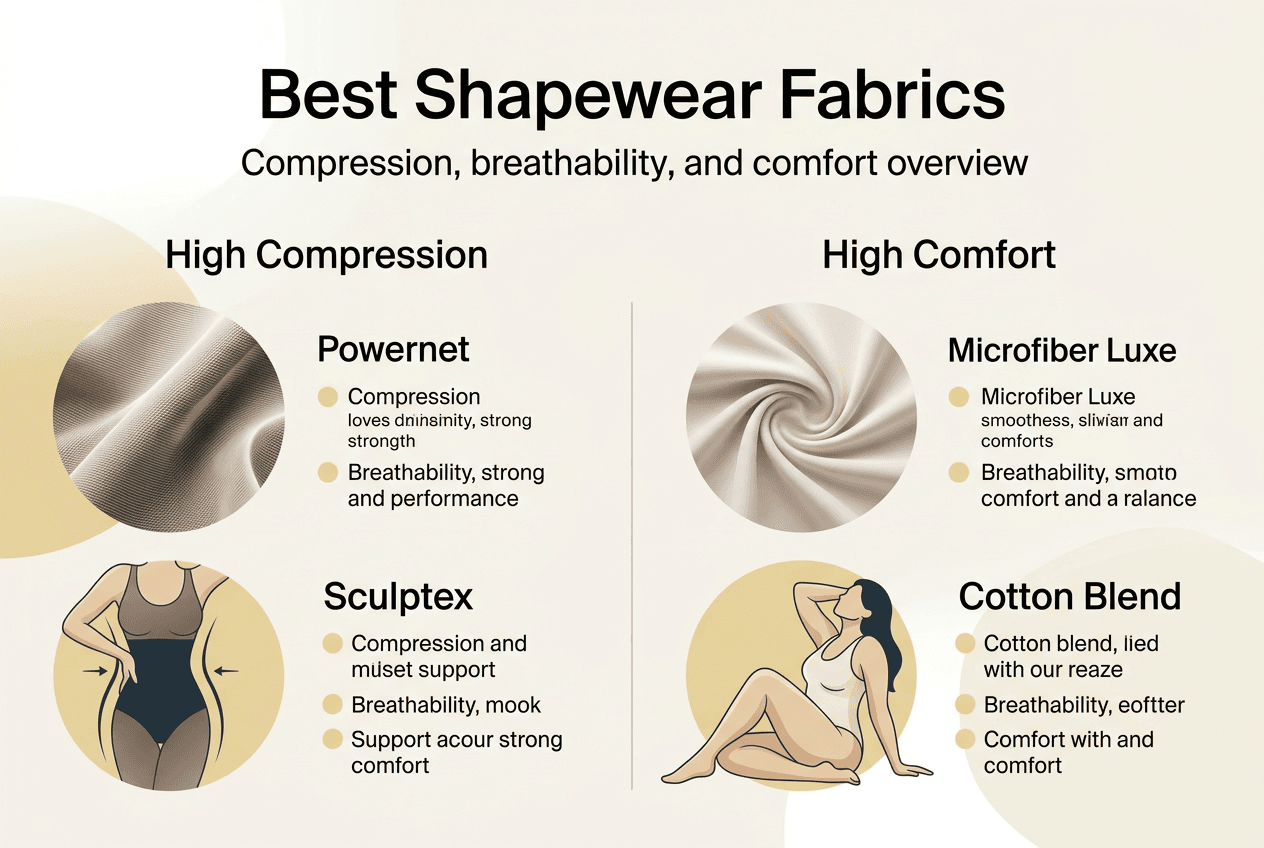
Powernet fabric offers high compression but may be less breathable, whereas Microfiber Luxe and Sculptex provide comfort and breathability suitable for daily wear and active lifestyles. Each fabric serves different needs and preferences. Powernet works well for special occasions when maximum smoothing matters more than all day comfort. Microfiber blends excel for everyday wear under office clothes or casual outfits.
| Fabric Type | Compression Level | Breathability | Best Use |
|---|---|---|---|
| Powernet | High | Low | Special events, formal wear |
| Microfiber Luxe | Medium | High | Daily wear, office settings |
| Sculptex | Medium to High | Medium | Active lifestyles, varied climates |
| Nylon Spandex Blend | Variable | Medium | Versatile everyday use |
Compression and breathability exist in constant trade off. Tighter knit fabrics with higher spandex content provide stronger shaping but trap heat and moisture. Looser knits with moisture wicking fibers breathe better but offer less dramatic smoothing. Your climate and activity level should guide this choice. Hot, humid environments demand breathable fabrics even if it means sacrificing some compression.
Fiber blend ratios dramatically affect shapewear performance. A garment with 85% nylon and 15% spandex behaves differently from one with 70% nylon and 30% spandex. Higher spandex percentages increase stretch and recovery, helping shapewear maintain its shape after multiple wears. Lower spandex content often feels softer initially but may lose compression faster.
Knit density determines how much skin shows through the fabric and how the material distributes pressure. Dense knits provide opacity and firm, even compression. Looser knits may require layering but offer superior breathability. Waist wrap shapewear often uses medium density knits that balance coverage with comfort.
Pro Tip: Consider climate and activity level when selecting fabric, choosing breathable materials like Microfiber Luxe for warm weather or active days, and reserving Powernet for cooler conditions or shorter wear periods.
Care practices extend shapewear lifespan and maintain performance:
- Hand wash in cool water with gentle detergent
- Avoid fabric softener which breaks down elastic fibers
- Air dry flat or hanging to preserve shape
- Store folded rather than bunched to prevent permanent creasing
- Rotate between multiple pieces to reduce wear on individual garments
Fabric technology continues advancing, with new blends incorporating antimicrobial treatments, enhanced moisture management, and improved stretch recovery. These innovations make shapewear more practical for extended wear. Fabric stretch in modern garment fit has evolved significantly, allowing shapewear to move with your body during daily activities rather than restricting natural movement.
How shapewear supports pelvic health and posture for confidence
Pelvic compression garments significantly improve pelvic floor support and reduce fear of symptoms for postpartum women. These specialized shapewear pieces provide external support to weakened pelvic muscles, helping women feel more secure during physical activity. The compression assists natural muscle function without replacing the need for pelvic floor exercises.
Research shows that pelvic compression shapewear improves biomechanics during movement. Women wearing these garments report reduced sensations of heaviness, decreased urgency, and greater confidence during exercise. The external support allows gradual strengthening of internal muscles while providing immediate symptom relief. This dual benefit makes pelvic compression garments valuable tools during postpartum recovery.
Posture enhancing fabrics work through strategic compression zones that encourage proper spinal alignment. Soft material structures through intelligent textiles can enhance posture by providing gentle resistance against slouching. When you stand or sit straighter, you naturally feel more confident. This psychological boost combines with physical comfort to improve overall wellbeing.
Health supportive shapewear differs from purely aesthetic options:
- Targets specific muscle groups requiring support
- Uses graduated compression rather than uniform pressure
- Incorporates breathable panels in high heat areas
- Designed for extended wear comfort
- Often includes adjustable features for changing needs
Choosing health oriented shapewear requires understanding your specific needs. Postpartum women benefit from pelvic compression and abdominal support. Those with lower back issues may prefer shapewear with reinforced lumbar panels. Women seeking general posture improvement should look for designs with upper back support.
Sculpting high stretch body shaper designs combine aesthetic smoothing with functional support. The high stretch fabric moves with your body during daily activities while maintaining consistent compression. This flexibility prevents the restricted feeling common in rigid shapewear, allowing you to maintain active lifestyles.
“Shapewear that supports your health does more than smooth your silhouette. It empowers you to move confidently through your day, knowing your body has the support it needs.”
Pro Tip: Consult healthcare providers for postpartum shapewear recommendations, especially if you experienced diastasis recti or pelvic floor dysfunction, as proper compression placement matters for recovery.
The confidence boost from well designed shapewear extends beyond physical appearance. When you feel supported and comfortable in your clothing, you carry yourself differently. This improved posture and self assurance affects how others perceive you and how you engage with the world. Shapewear becomes a tool for empowerment rather than concealment.
Health benefits require consistent, appropriate use. Wearing shapewear too tight or too long can cause problems rather than solving them. Listen to your body’s signals. If shapewear causes pain, numbness, or digestive issues, it’s either the wrong size or worn too long. Quality shapewear should feel supportive, not restrictive.
Explore comfortable, confident shapewear at Empower Curve
Empower Curve specializes in shapewear designed around body positivity principles, offering pieces that enhance your natural curves while prioritizing comfort. The collection includes versatile options for different outfits and occasions, from everyday smoothing to special event support.
Whether you need seamless body suit shapewear for a form fitting dress or waist wrap shapewear for targeted midsection support, the range addresses diverse body types and style preferences. Each piece focuses on moving with your body rather than restricting it. Seamless high waist shapewear provides invisible smoothing under any outfit while maintaining breathability for all day wear. Explore the collection to find shapewear that celebrates your curves and supports your confidence.
FAQ
What are the best shapewear styles for boosting body positivity?
Seamless bodysuits, high waist shapewear, and pelvic support garments promote body positivity through comfortable, natural curve enhancement. These styles smooth without drastically altering your shape, allowing you to feel confident in your natural body. Choose designs that complement your body shape and outfit needs rather than trying to achieve an unrealistic silhouette.
How do I find the right shapewear size without compromising comfort?
Measure your body accurately and follow brand specific sizing charts rather than guessing based on clothing sizes. Avoid sizing down expecting stronger control, as smaller sizes cause pinching, rolling, and visible bulges that worsen your appearance. When between sizes, always choose the larger option for better comfort and more natural smoothing.
What fabrics should I choose for comfortable shapewear?
Opt for fabrics like Microfiber Luxe or Sculptex for softness and breathability during extended wear. These materials provide adequate compression while allowing air circulation and moisture management. Powernet offers strong compression but may feel warm in humid conditions, making it better suited for special occasions or cooler climates.
Can shapewear help with posture or postpartum recovery?
Pelvic compression garments aid pelvic floor support and reduce symptoms like heaviness or urgency during activity. Postpartum women often find shapewear improves posture and confidence while muscles regain strength. However, shapewear supplements rather than replaces proper pelvic floor exercises and medical guidance during recovery.
Recommended
- Seamless Body Suit Shapewear – Empower Curve
- Open-Bust Body Suit Shapewear – Empower Curve
- Seamless High Waist Shapewear – Empower Curve
- Backless Seamless Shapewear – Empower Curve
- Embracing Body Positivity Through Confident Fashion Choices – Be Juliet
- Shapewear Top Wireless Posture-Correcting Bra Shaper Top For Women – Yoga, Gym & Daily Wear Post Surgical Compression Bra

