
TL;DR:
- Choosing shapewear requires understanding your body shape and outfit needs for optimal fit.
- Match shapewear styles to outfit types and ensure proper sizing to avoid lines and rolling.
- Different compression levels suit various occasions; always select your true size for comfort.
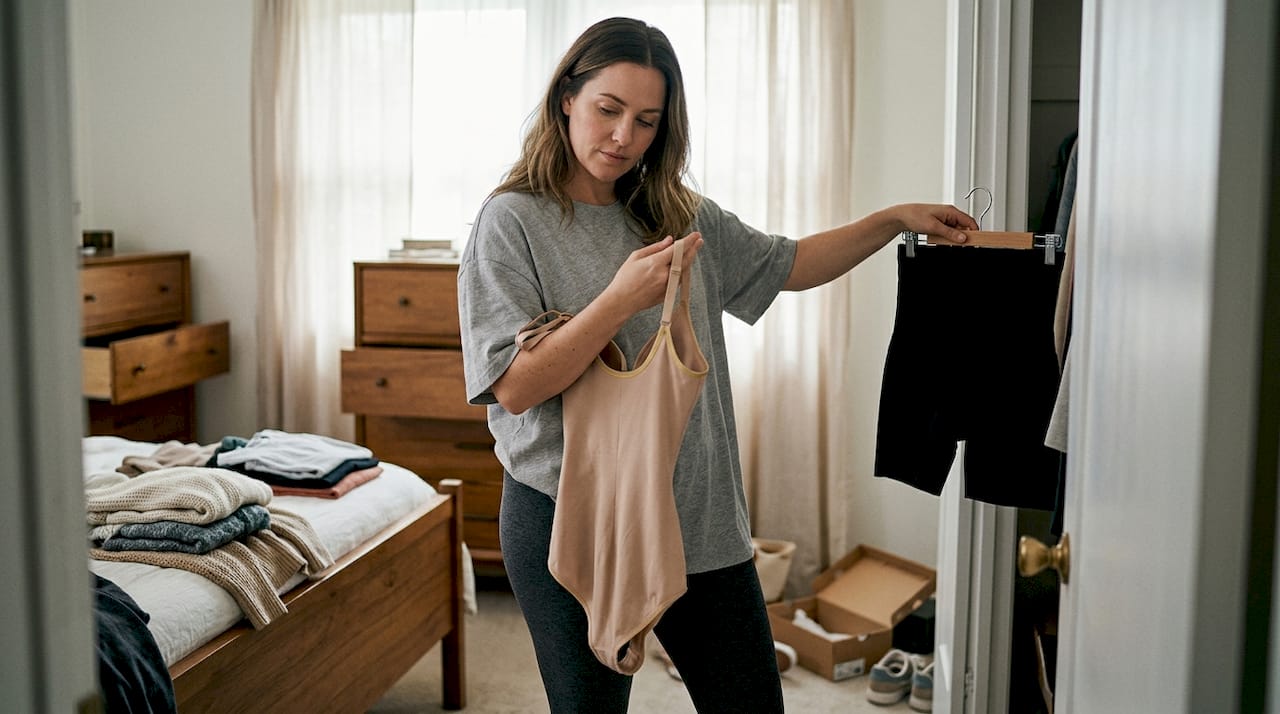
Most women have a shapewear piece buried in a drawer somewhere. It looked promising online, felt okay in the fitting room, and then spent the rest of its life unworn because it rolled, dug in, or just didn’t do what it promised. The problem usually isn’t the brand. It’s the match. Choosing shapewear that actually works means understanding your body shape, your outfit goals, and the compression level your lifestyle calls for. This guide cuts through the noise so you can stop guessing and start wearing shapewear that feels as good as it looks.
Table of Contents
- Understanding your body shape: The foundation of great shapewear
- How to match shapewear style to your shape and outfit
- Selecting the right compressive strength: Comfort versus control
- Tips for plus-size and curvy figures: Inclusive fit that feels good
- Why there’s no ‘perfect’ shapewear and how mixing brands often wins
- Find your fit with Empower Curve shapewear
- Frequently asked questions
Key Takeaways
| Point | Details |
|---|---|
| Know your body shape | Identifying your shape simplifies finding shapewear that flatters and feels right. |
| Style matches matter | Pick shapewear styles based on your outfits and comfort preferences, not just trends. |
| Compression level counts | Choose a compression strength that balances support with freedom so you stay comfortable all day. |
| True sizing prevents pain | Always select your actual size to avoid bulges, rolling, or restricted movement. |
| Inclusive options for all | Quality brands offer plus-size and adjustable shapewear for curves, comfort, and confidence. |
Understanding your body shape: The foundation of great shapewear
Before you scroll through product pages, take five minutes to figure out your body shape. It sounds basic, but most women skip this step and end up buying shapewear that targets the wrong areas entirely. Knowing your shape tells you exactly where you need support, smoothing, or definition.
The five most common body shapes are hourglass, pear, apple, rectangle, and inverted triangle. Each one has different proportions, and each one responds differently to shapewear styles.
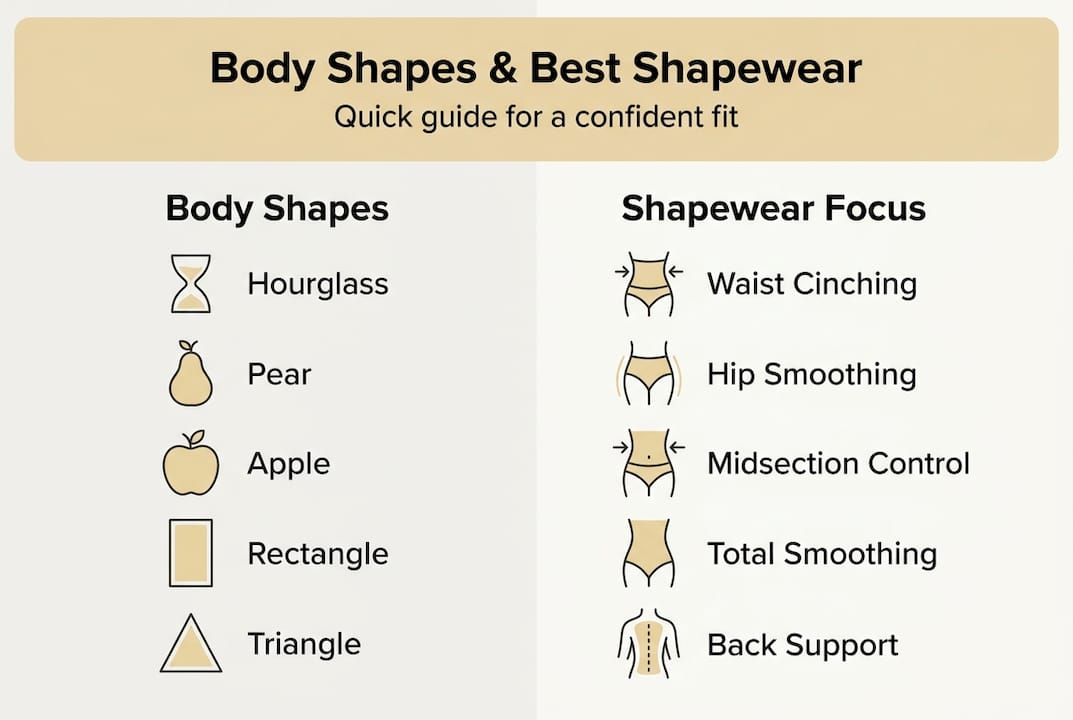
To figure out your shape, grab a soft measuring tape and note three numbers: your bust (fullest part of your chest), your waist (narrowest point, usually an inch above your belly button), and your hips (fullest part of your seat). Compare the three. If bust and hips are roughly equal with a noticeably smaller waist, you’re hourglass. If hips are wider than bust, you’re pear. If your midsection is the widest point, you’re apple. If all three measurements are close together, you’re rectangle. If your shoulders and bust are significantly wider than your hips, you’re inverted triangle.
Here’s a quick breakdown of what each shape benefits from:
| Body shape | Key concern | Best shapewear focus |
|---|---|---|
| Hourglass | Maintaining definition | Waist-cinching, light smoothing |
| Pear | Hip and thigh smoothing | High-waist shorts, thigh shapers |
| Apple | Midsection support | Full bodysuits, tummy panels |
| Rectangle | Adding curves | Butt-lifting, waist-cinching pieces |
| Inverted triangle | Balancing proportions | Hip-enhancing, lower body focus |
For identifying your body shape, the goal isn’t to change what you have. It’s to use shapewear as a tool that works with your natural proportions. As one style resource notes, for the rectangle shape, waist-cinching, butt-lifting pieces like high-waist shorts or bodysuits are the go-to move for creating curves.
If you want a starting point that works across multiple shapes, shapewear for different shapes in a full-body style gives you coverage and flexibility.
Pro Tip: Don’t just measure once. Measure at the end of the day when your body is most relaxed. That’s the size you’ll actually be wearing shapewear in most often.
How to match shapewear style to your shape and outfit
Once you know your body shape, it’s time to zero in on which style suits your look. This is where a lot of women make their second mistake: buying one piece and expecting it to work under every outfit. Different garments call for different shapewear, full stop.
Here’s a practical way to think about it:
- Dresses and skirts: Go for a seamless thong or a bodysuit with no visible leg line. You want zero bunching under fabric that drapes.
- Jeans and tailored pants: High-waisted shorts work best here. They smooth the tummy and thighs without adding bulk at the waistband.
- Formal and special occasion: A full bodysuit gives you the most coverage and the smoothest silhouette under fitted gowns or structured dresses.
- Everyday casual: Light-compression shorts or a cami shaper keeps things comfortable without feeling like you’re wearing armor.
The biggest complaint women have about shapewear under clothes is visible lines and rolling. Both are fit issues, not fabric issues. If your shapewear rolls down at the waist, it’s either too small or the wrong style for your torso length. If it leaves a ridge at the thigh, the leg opening is cutting in.
| Body shape | Outfit type | Recommended shapewear |
|---|---|---|
| Hourglass | Bodycon dress | Seamless thong shaper |
| Pear | Wide-leg trousers | High-waist thigh shorts |
| Apple | Wrap dress | Full bodysuit with tummy panel |
| Rectangle | Fitted blazer and pants | Waist-cinching shorts |
| Inverted triangle | A-line skirt | Hip-enhancing brief |
For a clean, invisible look under dresses, seamless bodysuit options are worth exploring. If you need targeted midsection control, waist wrap shapewear gives you focused support without a full-coverage commitment.
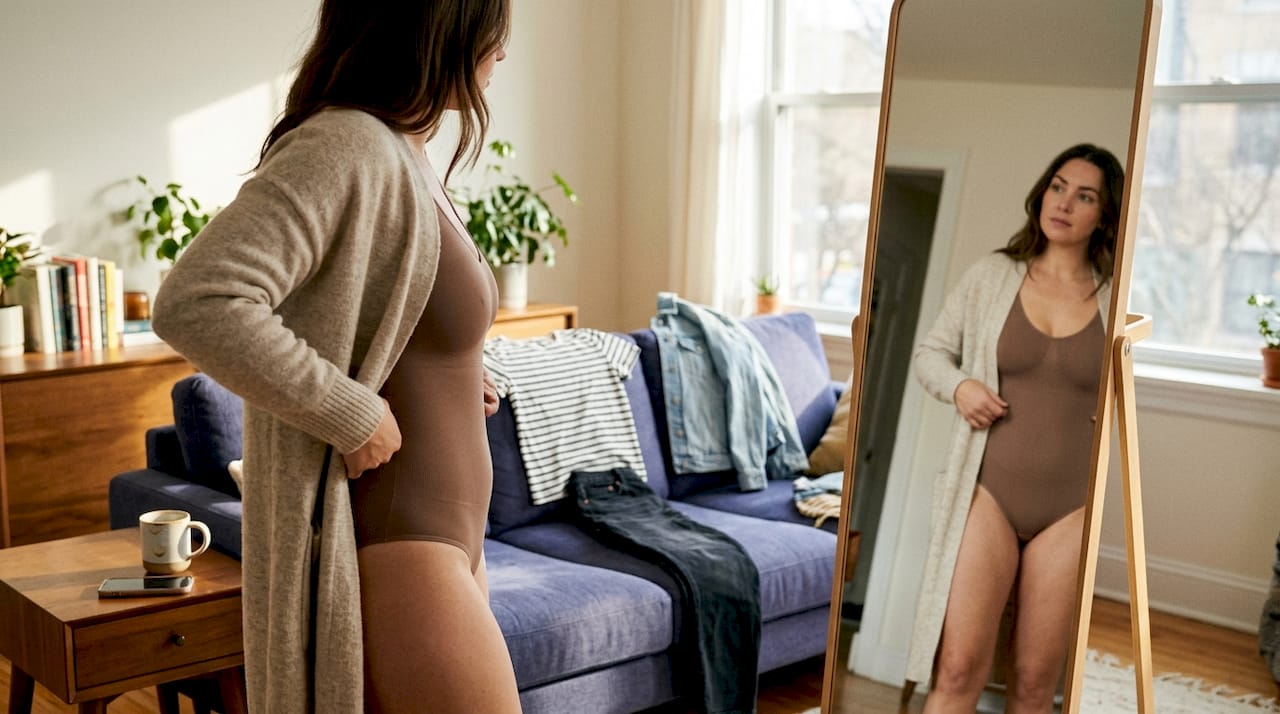
The key methodology is simple: measure bust, waist, and hips, match the shapewear style to your outfit type, and always test for no visible lines or rolling before you commit to wearing it out. And for a deeper look at how different styles perform, compression levels explained can help you understand what you’re buying.
Pro Tip: Always try shapewear on with the actual outfit you plan to wear it under. Move around, sit down, and bend over. If it shifts in your living room, it will shift at the event.
Selecting the right compressive strength: Comfort versus control
After style, compression is the next factor that will shape your comfort and look. Not all shapewear squeezes the same, and choosing the wrong level is one of the fastest ways to end up with something unwearable.
Here’s how the three levels break down:
- Light compression: Smooths and softens without restricting movement. Best for everyday wear, long workdays, or anyone new to shapewear.
- Medium compression: Adds visible shaping and confidence under most clothes. A solid all-rounder for work, dates, or casual events.
- Firm compression: Maximum sculpting and control. Best reserved for special occasions, photo shoots, or fitted formal wear.
According to compression level guidance, light is for everyday smoothing, medium is for everyday confidence, and firm is for events and sculpting. The consistent advice across experts is to choose your true size rather than sizing down.
Sizing down is the most common mistake. It feels logical to go smaller for more control, but what actually happens is the fabric has nowhere to redistribute the tissue it’s compressing. You end up with bulges above or below the garment, which defeats the whole purpose. Differences in compression matter more than the number on the tag.
Brand comparisons are worth noting here. Spanx tends to run firmer, which works well for structured looks. Skims leans toward seamless, second-skin sculpting that feels lighter. As shapewear brand comparisons point out, some women prefer targeted shorts over full bodysuits for better mobility, and experts consistently emphasize true sizing over downsizing.
For a one-piece that balances control and comfort, a slimming one-piece fit in medium compression is often the most versatile starting point.
Tips for plus-size and curvy figures: Inclusive fit that feels good
Let’s address one of the most under-served but fastest-growing communities in shapewear. Plus-size and curvy women have historically been offered either scaled-up versions of straight-size designs (which rarely fit well) or limited options that prioritize compression over comfort. That’s changing, but you still need to know what to look for.
The most important thing to prioritize is fabric quality. Breathable, four-way stretch materials move with your body instead of fighting it. Shapewear that digs, rolls, or creates new bulges is almost always a fabric or construction issue.
Here’s what to look for when shopping plus-size shapewear:
- Four-way stretch fabric that recovers its shape after wear
- Flat or bonded seams that won’t leave imprints on skin
- Wide waistbands that distribute pressure evenly
- Reinforced panels in targeted zones without stiffness
- Sizing that goes by your actual measurements, not generic S/M/L
As Shapermint’s approach shows, plus-size shapewear works best when it focuses on gentle shaping and all-day wearability rather than maximum compression. Avoiding over-tight fits is key to preventing the bulging that older designs were notorious for.
It’s also worth being clear about what shapewear does and doesn’t do. It’s not for weight loss, but worn in the right fit, it can genuinely support posture and make you feel more put-together. Brands like Spanx and Skims have expanded their inclusive sizing ranges significantly, and that’s the direction the whole industry is moving.
For curvy women who want targeted hip and waist support, inclusive sizing options are designed specifically for those proportions. And if you want something adjustable that works across different outfits, an adjustable shapewear corset gives you flexibility without sacrificing fit.
Pro Tip: If you’re between sizes, always size up. A slightly looser fit in quality shapewear will smooth and support just as effectively without the discomfort of something too tight.
“The best shapewear is the kind you forget you’re wearing.” That’s the standard worth holding every piece to.
Why there’s no ‘perfect’ shapewear and how mixing brands often wins
Here’s the honest truth that most shapewear marketing won’t tell you: no single piece works for every body, every outfit, and every occasion. The idea of a “holy grail” shapewear item is mostly a myth, and chasing it leads to frustration and wasted money.
Even people who test shapewear professionally rotate between styles and brands depending on what they’re wearing. A firm bodysuit for a gala. Light shorts for a workday. A seamless thong shaper under a summer dress. That’s not indecision. That’s smart dressing.
The same logic applies to brands. Brand comparisons consistently show that different labels excel in different areas. One might have the best waistband. Another might win on thigh coverage. Mixing them based on what each does well is more effective than brand loyalty.
True confidence with shapewear comes from experimenting, paying attention to how your body feels, and building a small rotation rather than searching for one perfect piece. Start with exploring seamless bodysuits as a versatile base, then add targeted pieces as you learn what works for your shape and wardrobe.
Find your fit with Empower Curve shapewear
If you’re ready to try shapewear that actually works for your needs, here’s where to start.
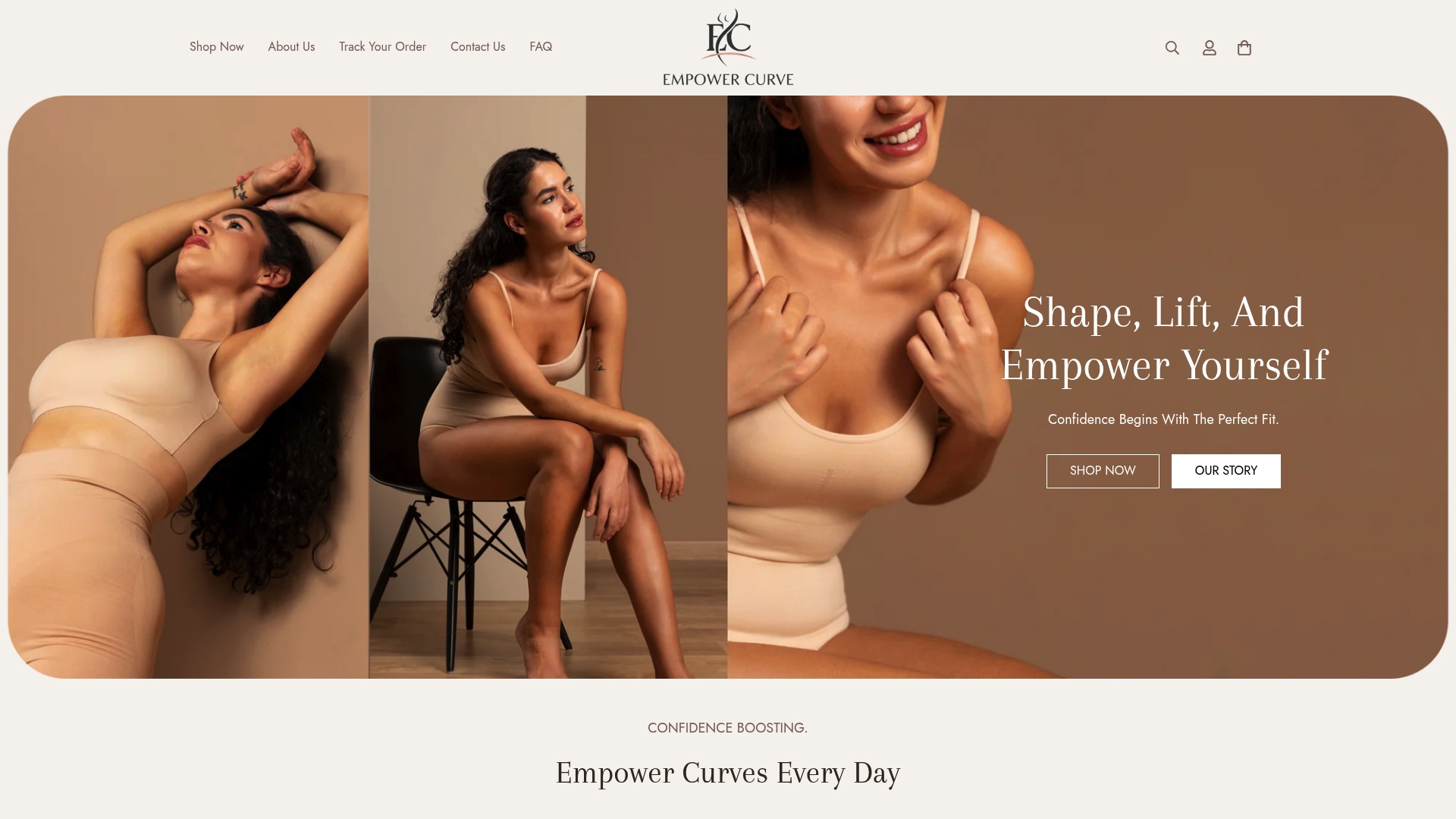
Empower Curve carries styles built for real bodies at every size, from Seamless High Waist Shapewear that smooths and supports without digging in, to Seamless Body Suit Shapewear designed for all-day comfort under any outfit. Every piece is made with breathable, stretchy fabrics that move with you, not against you. Whether you’re dressing for a special occasion or just want to feel more confident on a Tuesday, there’s a fit here for your shape, your style, and your life. Free shipping and a money-back guarantee mean you can find your fit without the risk.
Frequently asked questions
How do I know which shapewear style will suit my body type best?
Measure your bust, waist, and hips to identify your body shape, then match it to shapewear designed for that silhouette. For example, waist-cinching, butt-lifting pieces like high-waist shorts or bodysuits work best for rectangle shapes looking to add curves.
What’s the difference between light, medium, and firm compression shapewear?
Light smooths without restricting, medium adds visible shaping for everyday wear, and firm is best for sculpting at special events. Per compression level guidance, always choose your true size to stay comfortable.
Is it unhealthy to wear shapewear every day?
Shapewear is safe for daily wear when it’s the right size and made with supportive, breathable materials. It can even improve posture, but avoid anything that pinches, digs, or restricts breathing.
Do plus-size shapewear options really work, or are they uncomfortable?
Modern plus-size shapewear from quality brands uses stretch fabrics and gentle shaping to avoid the discomfort of older designs. As the Shapermint review highlights, all-day wearability and avoiding over-tight fits are the keys to success.
Can one piece of shapewear work for every outfit?
Rarely. Most experts recommend a small rotation, like high-waisted shorts for jeans and seamless bodysuits for dresses, for the best results. Brand comparisons consistently show that different styles and brands excel in different situations.
Recommended
- Seamless Body Suit Shapewear – Empower Curve
- Full Body Shapewear with Front Hook – Empower Curve
- Waist Wrap Shapewear – Empower Curve
- Seamless High Waist Shapewear – Empower Curve
- Shapewear Top Wireless Posture-Correcting Bra Shaper Top For Women – Yoga, Gym & Daily Wear Post Surgical Compression Bra
- Comment porter un body en lingerie avec style et élégance – Valetta.fr

