
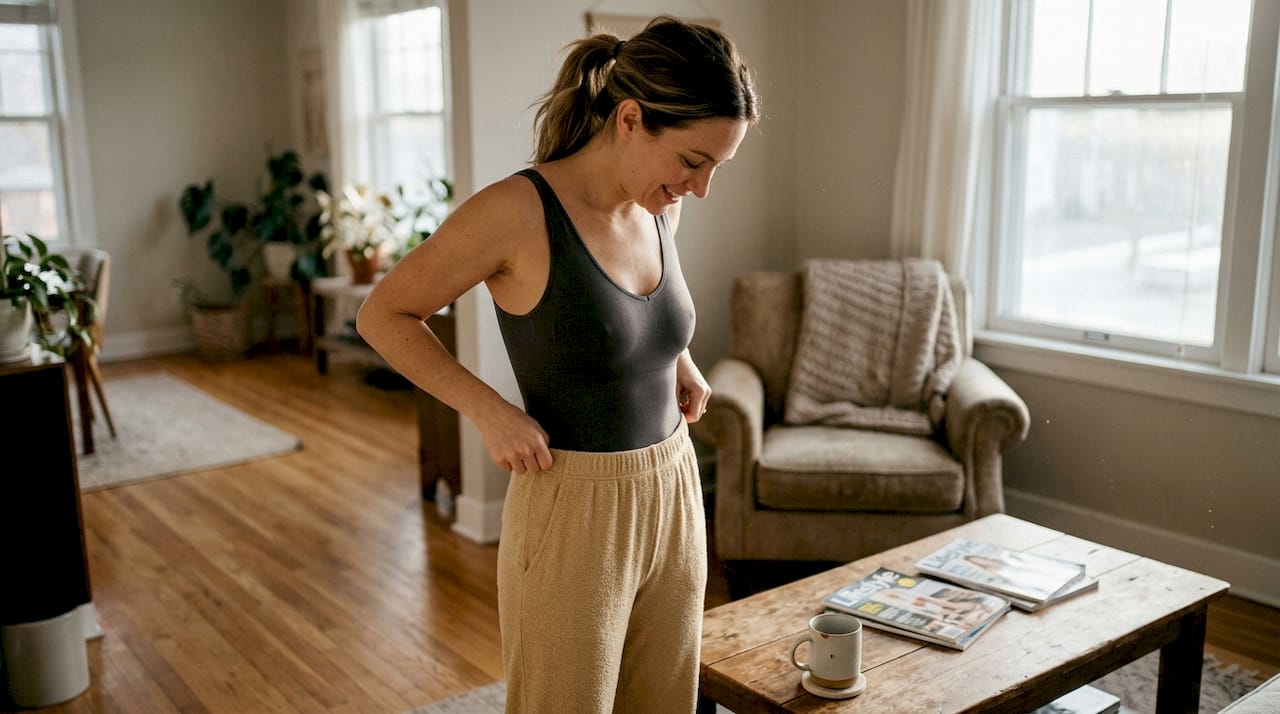
Many women believe all shapewear feels equally tight and uncomfortable, assuming any garment designed to smooth or shape must restrict movement and breathing. This misconception keeps countless women from discovering shapewear that actually enhances their daily comfort and confidence. The truth is, support and compression shapewear serve fundamentally different purposes, with varying comfort levels suited to different occasions and body goals. Understanding these differences helps you select shapewear that fits your lifestyle, whether you need gentle daily support or targeted control for special events. This guide clarifies how each type works and which suits your needs.
Table of Contents
- Key takeaways
- Understanding support shapewear: gentle hold for everyday comfort
- What makes compression shapewear different? firm control and sculpting for special occasions
- The mechanics behind shapewear: fabrics, compression, and body benefits
- Choosing the right shapewear for you: practical tips and style considerations
- Explore Empower Curve shapewear for every need
- Frequently asked questions
Key Takeaways
| Point | Details |
|---|---|
| Support shapewear benefits | Support shapewear offers light compression and a gentle hold for all day comfort without restricting movement or breathing. |
| Compression shapewear purpose | Compression garments provide firm control and targeted shaping for special occasions or limited wear times. |
| Sizing and fabric impact | Proper sizing and fabric technology influence comfort, fit, and shaping effectiveness. |
| Long wear tradeoffs | Compression can benefit some medical conditions but is not ideal for long wear. |
| Posture support | Support shapewear promotes posture and core engagement while preserving natural movement. |
Understanding support shapewear: gentle hold for everyday comfort
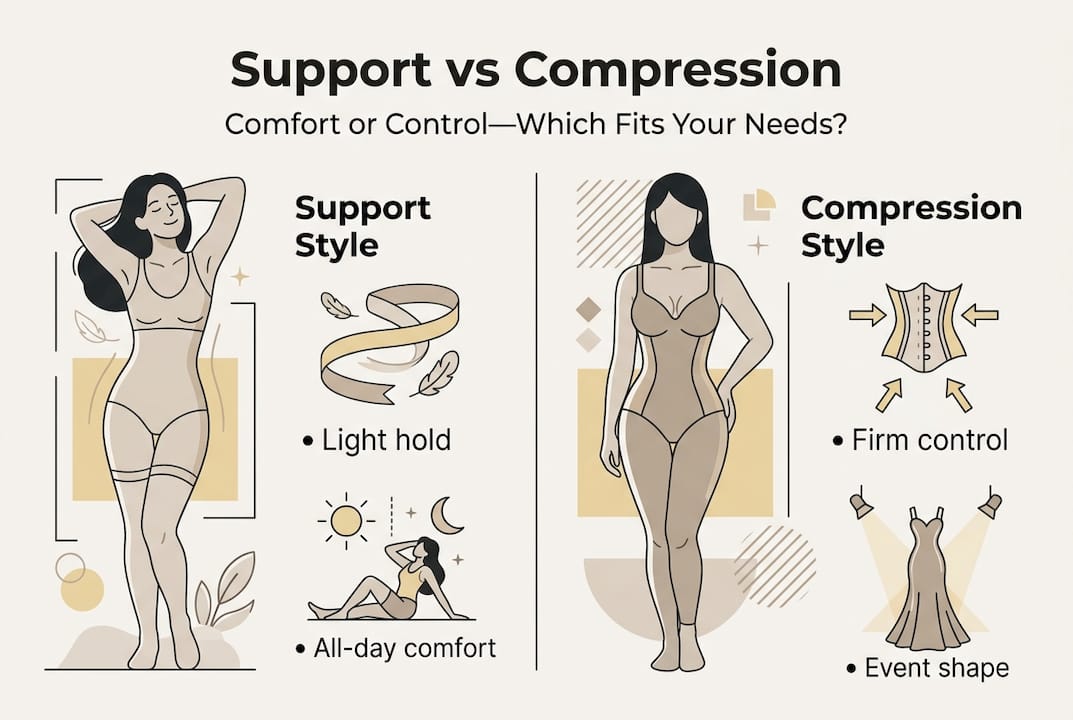
Support shapewear provides light compression and structured hold designed for all-day comfort and subtle body enhancement. Unlike heavy compression garments, support styles use graduated pressure that gently smooths without restricting movement or breathing. The fabric technology focuses on breathability and flexibility, allowing your body to move naturally while providing just enough structure to enhance your silhouette.
The mechanics behind support shapewear involve elastic fibers woven into soft, breathable fabrics that create gentle compression zones. These garments typically feature lighter control panels strategically placed to smooth problem areas without creating the tight, constricting feeling associated with traditional shapewear. The graduated compression means pressure is slightly firmer in core areas like the waist and hips, then gradually decreases toward edges to prevent rolling, bulging, or uncomfortable lines.
Common support shapewear styles include seamless briefs, light control bodysuits, comfortable waist shapers, and smoothing camisoles. These pieces work invisibly under everyday clothing, providing a polished look without sacrificing comfort. Many women wear seamless high waist shapewear daily because it enhances their natural shape while remaining comfortable during long work days, meals, and movement.
The benefits of support shapewear extend beyond appearance. Light compression improves posture by encouraging proper spinal alignment and core engagement. This gentle support reduces lower back strain during extended sitting or standing. Support garments also provide subtle smoothing that boosts confidence without the discomfort of heavy compression. You can eat comfortably, breathe deeply, and move freely while wearing support shapewear, making it ideal for active lifestyles.
Support shapewear suits various body types and daily activities:
- Professional settings where you need polished appearance with all-day comfort
- Active days involving walking, bending, or physical movement
- Casual outings where you want subtle smoothing under fitted clothing
- Post-workout wear providing gentle compression without restriction
- Travel situations requiring comfortable yet flattering garments
The adjustable shapewear corset exemplifies modern support design, offering customizable compression levels that adapt to your comfort needs throughout the day. This flexibility makes support shapewear practical for women who want body confidence without compromising physical comfort.
Pro Tip: When selecting support shapewear, ensure proper fit by measuring your natural waist and hips carefully. Garments should feel snug but never pinch or roll. If you notice red marks, difficulty breathing, or discomfort after 30 minutes, size up. Quality support shapewear should feel like a gentle hug, not a tight squeeze.
What makes compression shapewear different? firm control and sculpting for special occasions
Compression shapewear uses firm to maximum pressure levels to dramatically reshape and contour your body for special occasions when appearance takes priority over extended comfort. These garments feature strong elastic fabrics and reinforced control panels that apply significant pressure to target areas like the waist, stomach, hips, and thighs. The result is a dramatically smoothed, sculpted silhouette that can transform how clothing fits and looks.
The construction of compression shapewear differs fundamentally from support styles. Manufacturers use multiple layers of high-compression fabric, often combining spandex, nylon, and elastane in specific ratios to create firm, unyielding control. Some compression pieces include rigid boning, thick control panels, or double-layered fabric zones that apply concentrated pressure to reshape soft tissue. This engineering creates the dramatic body contouring effect compression shapewear is known for.
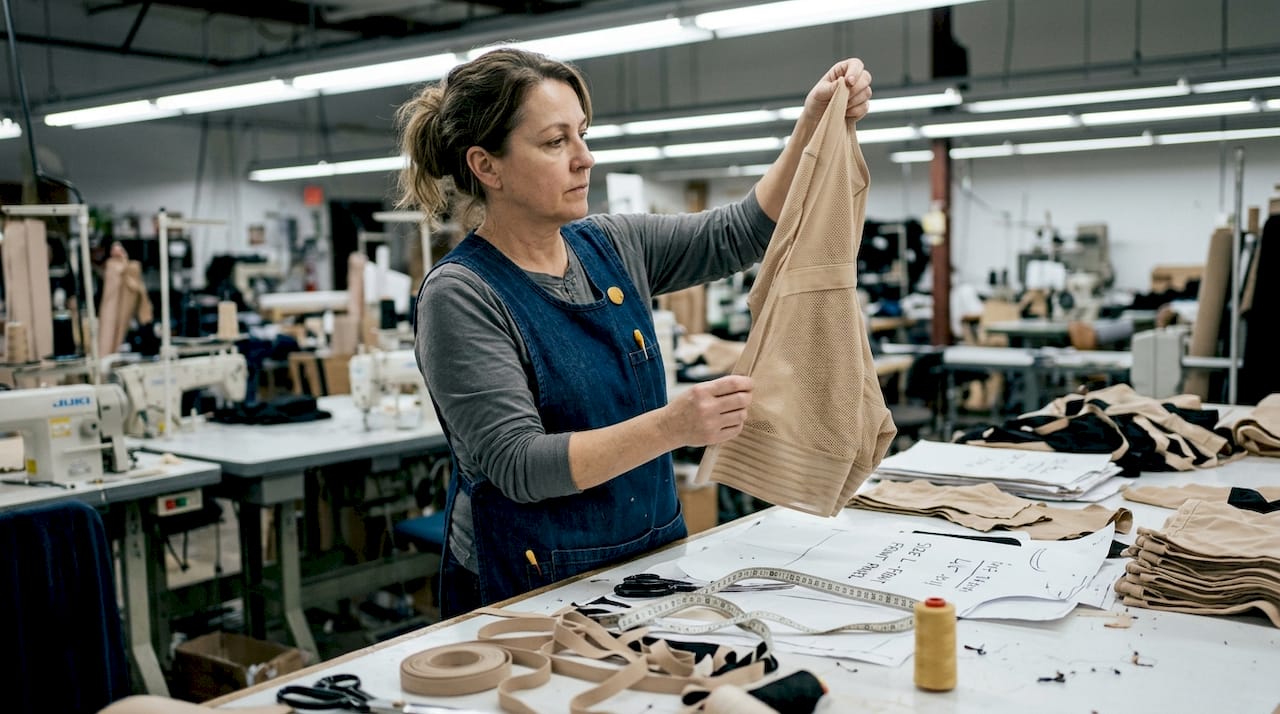
Typical compression garments include high-compression bodysuits, firm control waist cinchers, thigh shapers with maximum hold, and full-body shapers designed for formal wear. Women often choose sculpting high stretch body shaper styles for weddings, galas, photoshoots, or special events where they want their most dramatic silhouette. These garments work best for limited wear periods, typically four to six hours.
The key distinction between compression and support shapewear lies in intended use duration and comfort versus control trade-offs. While compression delivers impressive reshaping results, the firm pressure can restrict movement, make eating uncomfortable, and cause fatigue during extended wear. Many women experience relief removing compression shapewear after events, whereas support styles remain comfortable throughout the day.
| Feature | Support Shapewear | Compression Shapewear |
|---|---|---|
| Compression level | Light to moderate (smoothing) | Firm to maximum (sculpting) |
| Recommended wear time | 8-12 hours daily | 2-6 hours for events |
| Comfort rating | High, breathable, flexible | Moderate, restrictive, firm |
| Typical occasions | Everyday wear, work, casual | Weddings, formal events, photos |
| Movement freedom | Unrestricted, active-friendly | Limited, best for stationary |
| Breathing ease | Natural, comfortable | Can feel constrictive |
| Eating comfort | No restriction | May cause discomfort |
| Body reshaping | Subtle smoothing | Dramatic contouring |
Compression shapewear serves specific purposes beyond aesthetics. Some women use medical-grade compression for conditions like lipedema, where controlled pressure helps manage symptoms. However, everyday compression wear without medical necessity can cause circulation issues, digestive discomfort, or skin irritation if worn too long or sized incorrectly.
The high waist trainer shapewear represents modern compression technology, offering firm control with improved breathability compared to older designs. However, even advanced compression garments work best for short-term wear when maximum control matters most.
Pro Tip: Never size down in compression shapewear hoping for better results. Garments that are too small create painful pinching, restrict circulation, and can roll or bunch uncomfortably. Compression shapewear works through engineering, not by squeezing into smaller sizes. Always follow manufacturer sizing charts exactly for safe, effective compression.
The mechanics behind shapewear: fabrics, compression, and body benefits
Both support and compression shapewear rely on elastic fabric construction providing graduated compression that smooths tissue, redistributes pressure, and improves posture through biomechanical support. The science involves strategic placement of compression zones that work with your body’s natural contours rather than fighting against them. Understanding these mechanics helps you appreciate why proper fit and fabric quality matter significantly.
Graduated compression means pressure varies across the garment, with firmer compression in core areas where smoothing is needed and lighter pressure at edges to prevent bulging or rolling. This design principle applies to both support and compression styles, though the overall pressure levels differ dramatically. Support shapewear might apply 8-15 mmHg of pressure in control zones, while compression garments can exceed 20-30 mmHg in targeted areas.
The fabric composition determines both compression effectiveness and comfort. Support shapewear emphasizes breathable materials like microfiber blends, moisture-wicking fabrics, and four-way stretch textiles that move with your body. These materials allow air circulation, preventing the sweaty, uncomfortable feeling associated with older shapewear designs. Compression garments prioritize control over breathability, using denser fabric weaves and multiple layers that sacrifice some comfort for maximum shaping power.
| Biomechanical Effect | Support Shapewear | Compression Shapewear |
|---|---|---|
| Pressure range | 8-15 mmHg (light) | 20-30+ mmHg (firm) |
| Posture improvement | Gentle core engagement | Strong postural correction |
| Tissue redistribution | Minimal, natural smoothing | Significant reshaping |
| Circulation impact | Negligible, safe for extended wear | Can restrict if too tight |
| Muscle support | Light stabilization | Firm external support |
| Skin breathability | High, moisture-wicking | Moderate to low |
| Medical applications | General wellness, comfort | Lipedema, lymphedema management |
Research on compression effects shows that controlled pressure can reduce leg volume and pain in women with lipedema, demonstrating legitimate medical benefits when compression is applied correctly. However, these benefits require proper pressure distribution and appropriate wear duration. Excessive compression or poorly fitted garments can cause opposite effects, including circulation problems and tissue damage.
The health benefits of properly fitted shapewear include:
- Improved posture through gentle core support and spinal alignment
- Reduced lower back strain during extended sitting or standing
- Enhanced body awareness promoting better movement patterns
- Confidence boost leading to improved mental wellbeing
- Temporary smoothing for special occasions without permanent body changes
- Medical symptom management for specific conditions under professional guidance
The full body shapewear with front hook demonstrates how modern design addresses both function and comfort, incorporating easy-access features that make bathroom breaks manageable even with full coverage compression.
Important considerations include understanding that shapewear provides temporary aesthetic benefits, not permanent body changes. Prolonged compression wear can weaken core muscles if your body becomes dependent on external support. Skin issues like chafing, rashes, or irritation may develop from extended wear, especially with non-breathable fabrics. Always listen to your body and remove shapewear if you experience pain, numbness, or difficulty breathing.
Choosing the right shapewear for you: practical tips and style considerations
Selecting between support and compression shapewear requires evaluating your specific needs, comfort priorities, and intended occasions. Light support enhances confidence without health risks, making it ideal for women seeking daily body confidence. Compression suits special events where dramatic results matter more than all-day comfort. Your decision should balance aesthetic goals with practical wearability.
Follow these steps to choose the right shapewear:
- Identify your primary use: daily wear favors support styles, special occasions suit compression garments
- Assess your activity level: active lifestyles require flexible, breathable support shapewear
- Determine target areas: specific problem zones may benefit from targeted compression panels
- Evaluate comfort sensitivity: if you dislike restrictive clothing, prioritize support over compression
- Consider outfit requirements: formal wear may need firmer compression for seamless appearance
- Review fabric technology: look for moisture-wicking, breathable materials in support styles
- Check sizing carefully: measure accurately and follow brand-specific sizing charts exactly
- Read customer reviews: real experiences reveal comfort, durability, and true-to-size accuracy
Style considerations extend beyond compression level to include coverage, design features, and versatility. High-waist styles provide tummy control and prevent muffin top, making them popular for fitted pants and skirts. Bodysuits offer full-torso smoothing without ride-up concerns. Waist trainers target midsection shaping specifically. Seamless designs eliminate visible lines under clothing.
Key style features to evaluate:
- High-waist designs for comprehensive tummy and waist smoothing
- Seamless construction preventing visible panty lines or garment edges
- Adjustable straps or closures allowing customized fit and comfort
- Breathable panels or mesh zones improving air circulation
- Thigh coverage options preventing chafing and providing leg smoothing
- Front closures or open-gusset designs facilitating bathroom access
- Boning or structured panels offering targeted support zones
The full body shaper suit provides comprehensive coverage ideal for formal dresses, while seamless body suit shapewear works invisibly under everyday clothing. Matching shapewear style to your wardrobe ensures you get maximum benefit without visible lines or awkward fit issues.
Experts recommend support over heavy compression for regular wear to avoid movement restriction and eating discomfort. Many women find that investing in quality support shapewear for daily use, then reserving compression pieces for special events, provides the best balance of confidence and comfort across different situations.
Pro Tip: Always try on shapewear with the specific outfit you plan to wear. Sit, bend, and move around to ensure the garment stays in place and remains comfortable during realistic activities. What feels fine standing still may become uncomfortable after sitting through dinner or dancing at an event. Testing with your actual clothing reveals fit issues before important occasions.
Explore Empower Curve shapewear for every need
Whether you need gentle daily support or firm event-ready compression, Empower Curve offers shapewear collections designed to enhance your natural curves with comfort and confidence. Our range includes breathable support styles perfect for all-day wear and sculpting compression pieces that deliver dramatic results for special occasions. Every garment features quality fabrics, thoughtful construction, and inclusive sizing that celebrates your body.
Discover seamless body suit shapewear for invisible smoothing under everyday outfits, or explore high waist trainer shapewear when you want targeted midsection control. Our collections balance style with function, ensuring you feel confident and comfortable whether you’re heading to work or attending a wedding.
Use our detailed sizing guides to find your perfect fit, and reach out to our customer support team for personalized recommendations. We understand that every body is unique, and we’re here to help you discover shapewear that works with your lifestyle, not against it. Explore the full Empower Curve collection today and embrace your curves with confidence.
Frequently asked questions
What is the difference between support and compression shapewear?
Support shapewear provides light compression for gentle smoothing and all-day comfort, ideal for everyday wear and active lifestyles. Compression shapewear delivers firm to maximum pressure for dramatic body contouring, best suited for special occasions and short-term wear when appearance takes priority over extended comfort.
Which type of shapewear is better for daily wear?
Support shapewear works better for daily wear because it offers comfortable smoothing without restricting movement, breathing, or eating. The lighter compression allows extended wear without fatigue or discomfort. Compression shapewear’s firm control becomes uncomfortable during long periods and can restrict circulation if worn all day.
Can compression shapewear cause health problems?
Properly fitted compression shapewear worn for appropriate durations rarely causes problems, but excessive compression or prolonged wear can restrict circulation, cause digestive discomfort, and lead to skin irritation. Sizing down or wearing compression garments for extended periods increases health risks. Always follow manufacturer guidelines and listen to your body.
How do I know which compression level I need?
Consider your intended use and comfort tolerance when selecting compression levels. Choose light support for daily wear, work, and active days. Select firm compression for special events, formal wear, and occasions lasting a few hours. If you’re sensitive to restrictive clothing or plan extended wear, prioritize support over compression regardless of the occasion.
Is it safe to sleep in shapewear?
Sleeping in shapewear is generally not recommended, especially compression styles, as your body needs unrestricted circulation and breathing during rest. Light support shapewear may be safe for short naps, but removing all shapewear before bed allows your skin to breathe and your body to relax fully. If you feel you need overnight support, consult a healthcare provider about appropriate options.

