

Most women have been sold the idea that the tighter the shapewear, the better the results. Pull it on, suck it in, and power through the discomfort. But that logic is completely backwards. Uncomfortable heavy compression leads to restriction, rolling, pinching, and eventually, a shaper that never leaves the drawer. This guide breaks down why comfort is the real secret to shapewear that works, what the research actually says about compression levels, and how to find pieces that flatter your curves while feeling amazing from morning to night.
Table of Contents
- Why comfort matters most in shapewear
- Health impacts of improper compression
- What research and real women say about comfort
- Expert-tested comfort: What the pros and studies reveal
- Choosing comfortable shapewear: What to look for
- Find your perfect fit: Shop Empower Curve’s comfort-first shapewear
- Frequently asked questions
Key Takeaways
| Point | Details |
|---|---|
| Comfort boosts confidence | Shapewear that feels good helps you move freely and feel empowered throughout your day. |
| Safe compression matters | Light-to-moderate compression maximizes comfort while avoiding health risks from excess pressure. |
| Seamless is preferred | Data shows most women choose seamless styles for everyday comfort and invisible support. |
| Expert fit-check tips | Always test for easy breathing and full movement before buying or wearing any shapewear. |
Why comfort matters most in shapewear
Let’s get clear on what comfort actually means in the context of shapewear. It is not about loose or unsupportive. Comfort means breathable fabric, gentle support that moves with your body, seamless construction that does not dig in, and a fit that lets you bend, sit, and breathe without thinking twice. That is the standard worth shopping for.
When shapewear is uncomfortable, the consequences go beyond just physical annoyance. Restriction limits your movement. Rolling and pinching create visible lines under clothing. And the biggest consequence? You stop wearing it. None of that serves your confidence or your curves.
“Supportive, comfortable designs enable all-day use, better movement, and repeat wear, while heavy compression leads to avoidance.”
Comfort-first shapewear is also incredibly versatile. The same piece can take you from a Saturday brunch to a work presentation to a dinner date without a wardrobe change. That kind of daily flexibility is only possible when your shaper feels like a second skin. Seamless high waist shapewear is a great example of a style built around this idea.
The mental benefits are just as real. When you are not tugging, adjusting, or counting down the minutes until you can take it off, you are free to actually enjoy how you look and feel. That ease is where real confidence lives.
Here is what women say they want most from shapewear:
- Breathable, lightweight fabric that does not trap heat
- Seamless edges that stay invisible under any outfit
- Gentle, medium compression that smooths without squeezing
- Stretch zones that move with the body during daily activity
- No rolling or pinching at the waistband or leg openings
65% of consumers prioritize comfort in shapewear purchases, and 47% wear shapewear for a confidence boost rather than slimming. That tells you everything about what actually matters.
Health impacts of improper compression
With comfort established as the goal, it is critical to understand how the wrong level of compression can impact your health. This is not about fear, it is about making informed choices.
Too-tight shapewear can cause numbness, pinching, poor circulation, and even shortness of breath. These are not rare complaints. They are common side effects of garments that prioritize extreme sculpting over safe, wearable design. Excessive pressure above 30 mmHg risks discomfort, numbness, and circulation issues, while the optimal range for daily wear sits between 12 and 25 mmHg for support without restriction.
Most shapewear is labeled light, medium, or firm compression. For everyday wear, medium is almost always the sweet spot. Firm and super-sculpt options are designed for short-term, special-occasion use, not eight-hour workdays or active days out.
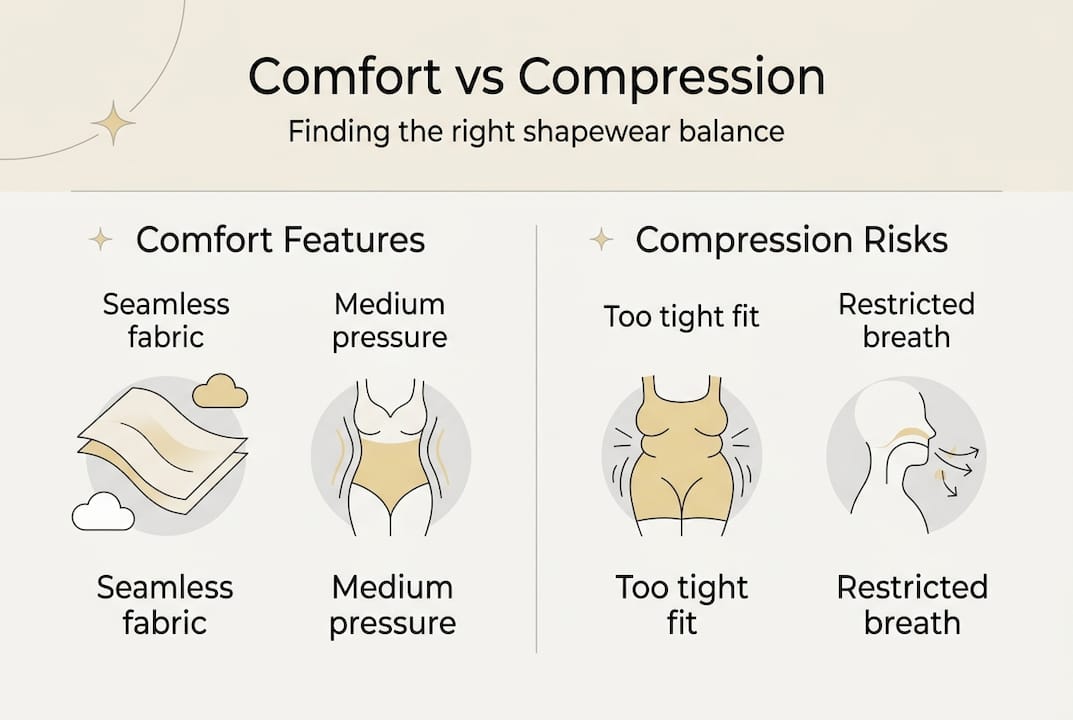
Simulations confirm that high pressure on the abdomen and chest during movement can reach up to 33 kPa, and real-world tests back up that light to medium compression delivers the best all-day confidence without fatigue. A seamless body shaper suit designed with medium compression gives you that balance.
Pro Tip: If you cannot take a full, deep breath or flex forward comfortably while wearing your shapewear, it is too tight. No shaping result is worth that trade-off.
Here is a quick reference for compression levels and their best use cases:
| Compression level | Pressure range | Best for |
|---|---|---|
| Light | Under 12 mmHg | Daily comfort, casual wear |
| Medium | 12 to 25 mmHg | All-day support, work, events |
| Firm | 25 to 30 mmHg | Short events, special occasions |
| Super-sculpt | Above 30 mmHg | Not recommended for daily use |
What research and real women say about comfort
Knowing the risks of too-tight shapewear, let’s see how preferences and habits reveal what really works in everyday life. The numbers are clear and consistent.
65% of women say comfort is their top priority when buying shapewear. Not slimming. Not dramatic shaping. Comfort. And comfortable designs are the ones that actually get worn regularly, which means they are the ones that deliver results over time.
Here is how comfort-first and compression-first shapewear compare in real-world use:
| Feature | Comfort-first shapewear | Compression-first shapewear |
|---|---|---|
| Daily wearability | High, worn all day | Low, often removed early |
| Movement freedom | Full range of motion | Restricted, stiff |
| Confidence impact | Positive, sustained | Short-term, often negative |
| Repeat wear rate | Very high | Low |
| Seamless construction | Standard feature | Often absent |
| Health risk | Minimal | Higher with extended wear |
The backless seamless shapewear style is a perfect example of comfort-first design in action. It removes the bulk at the back while keeping smooth, supportive coverage where you need it most. Pair that with high waist options and you have a wardrobe foundation that works for almost any outfit.
Stat to know: 93% of women prefer seamless shapewear for comfort, and 70% of women already own at least one shaping undergarment. The demand for comfort is not a trend. It is the standard.
Expert-tested comfort: What the pros and studies reveal
To bring science and expertise into the picture, here is how professionals define and test what truly makes shapewear wearable for hours. It goes deeper than just fabric feel.
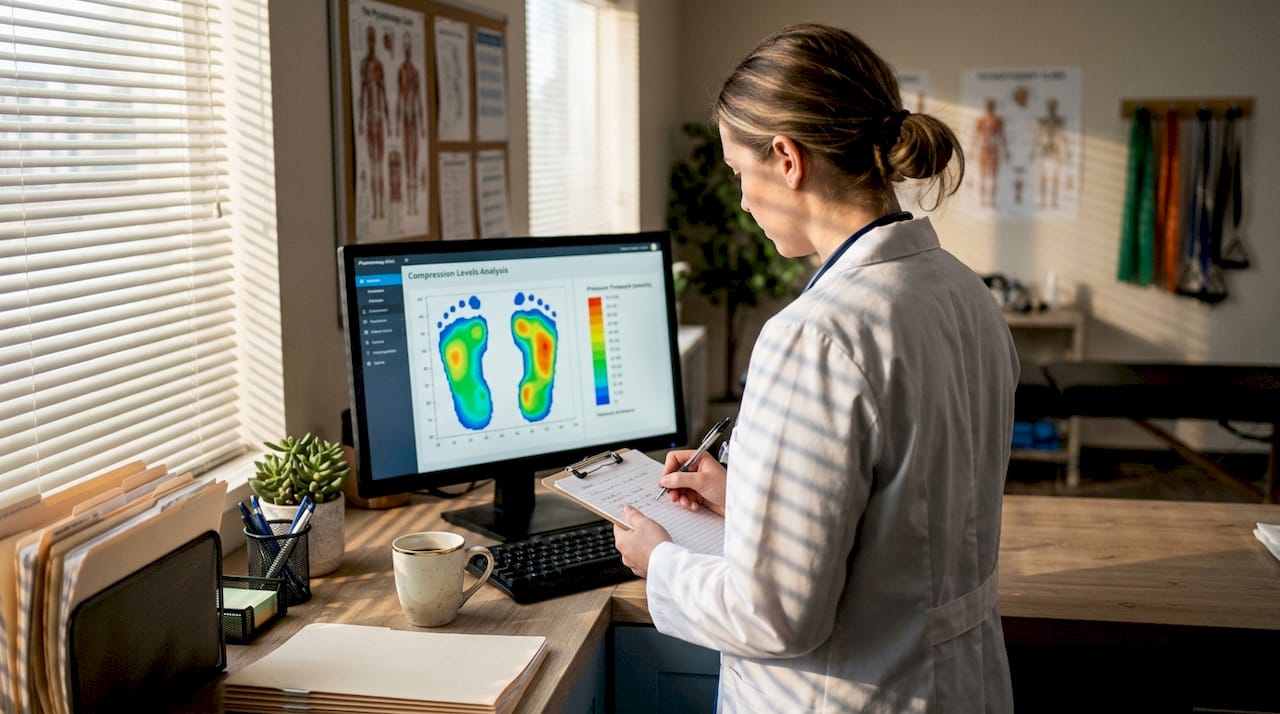
Experts use pressure mapping technology to measure exactly how much force a garment places on different parts of the body during movement. This allows designers to identify problem zones before a product ever reaches a customer. Pressure mapping and auxetic structures are now considered best practice for motion comfort in shapewear design, and they help brands avoid the common pitfalls of over-compression.
Auxetic fabrics are a newer innovation worth knowing about. Unlike traditional stretch materials that thin out when pulled, auxetic structures expand in multiple directions simultaneously. This means the fabric adapts to your body’s movement rather than fighting it, which dramatically reduces pressure points and fatigue during extended wear.
Here is how experts recommend testing shapewear fit before committing:
- Put it on and stand naturally. Notice if anything digs in immediately.
- Sit down fully. The waistband should not roll or cut into your midsection.
- Bend forward and to the sides. You should have full range of motion.
- Take three deep breaths. If you feel restricted, the fit is wrong.
- Walk around for five minutes. Check for any rolling, shifting, or pinching.
- Assess after two hours. Comfort should hold, not decline.
Pro Tip: Never size down in shapewear hoping for better results. Sizing down increases pressure beyond safe levels and almost always leads to discomfort, rolling, and early removal. Your correct size delivers the best shaping and the best comfort.
For targeted waist support, slimming waist shapewear designed with these principles in mind gives you definition without the squeeze. If you prefer adjustable coverage, an adjustable shapewear corset lets you customize compression to your comfort level throughout the day. Brands like Judah Club are also pushing comfort innovation forward with bodylift corset designs built for real movement.
Choosing comfortable shapewear: What to look for
Having covered both science and real-world feedback, let’s break down what you should look for, whether you are buying your first shaper or upgrading your current favorite.
Start with this checklist before you buy:
- Seamless edges on the waistband and leg openings
- Breathable, moisture-wicking fabric for all-day freshness
- Stretch zones at the hips, thighs, and torso
- Medium compression as the default for daily wear
- No visible seams under fitted clothing
- Adjustable elements like straps or hook-and-eye closures for a personalized fit
93% of women prefer seamless construction for comfort, and that preference is backed by real experience. Seams that dig in are the number one reason women abandon shapewear mid-day.
Matching your shapewear to your lifestyle also matters. Here is a simple way to think about it:
- Running errands or casual days: Light to medium compression, breathable fabric, full coverage
- Work or long events: Medium compression, seamless finish, high waist for smooth lines
- Special occasions: Medium to firm compression for a few hours, paired with a style that complements your outfit
For everyday versatility, a seamless body suit covers all the bases. For targeted midsection support, a waist wrap shapewear gives you focused comfort without full-body coverage. Knowing how to choose clothing for your body type can also help you pair shapewear with outfits that enhance your natural shape.
Pro Tip: Always test shapewear by sitting, bending, and moving before you commit to wearing it for a full day. Five minutes of movement testing saves hours of discomfort.
When comfort leads, style and confidence follow naturally. You stop thinking about your shapewear and start thinking about your day.
Find your perfect fit: Shop Empower Curve’s comfort-first shapewear
Everything you have read here points to one truth: shapewear that feels good is shapewear that works. At Empower Curve, every piece in the collection is designed with that principle at the center. Breathable fabrics, seamless construction, and medium compression that supports your curves without restricting your life.
Whether you are looking for seamless high waist shapewear for everyday smoothing or a seamless body suit that takes you from morning to night, Empower Curve has options built for real women and real days. Free shipping, easy returns, and a money-back guarantee mean finding your perfect fit is completely risk-free. Your comfort and confidence are worth investing in, and we make it easy to get both.
Frequently asked questions
How do I know if my shapewear is too tight or uncomfortable?
If you feel restricted, numb, or cannot take deep breaths, your shapewear is likely too tight. Pressure above 30 mmHg risks discomfort, numbness, and circulation issues, so staying in the 12 to 25 mmHg range is safest for daily wear.
Is seamless shapewear really more comfortable for all-day use?
Absolutely. 93% of women consider seamless shapewear the most comfortable option for all-day wear, largely because there are no edges to dig in or create visible lines under clothing.
Can wearing overly tight shapewear harm my health?
Yes. Excessively tight shapewear can cause numbness, poor circulation, and breathing restriction. Pressure exceeding 30 mmHg is associated with these risks, which is why medium compression is the recommended choice for extended wear.
What features should I look for in comfortable everyday shapewear?
Prioritize seamless finishes, breathable stretch fabrics, and medium compression. Comfortable, supportive designs enable all-day use and repeat wear, while adjustable elements let you personalize the fit to your body and activity level.
Recommended
- EmpowerCurve™ | Shop Comfortable, Flattering Shapewear – Empower Curve
- Seamless Body Suit Shapewear – Empower Curve
- Seamless High Waist Shapewear – Empower Curve
- Waist Wrap Shapewear – Empower Curve
- Why Comfort Matters in Slides—Impact on Style and Health – Dracoslides
- Apparel fit tips for Utah teams: comfort and style

