

TL;DR:
- Comfort in shapewear depends on fabric, fit, breathability, and compression level.
- Proper sizing and testing comfort through seated and movement checks are essential for all-day wear.
- Choosing the right style and compression suited to your needs ensures confidence and comfort.
If you’ve ever peeled off a pair of shapewear mid-afternoon because it was digging into your waist or rolling down with every step, you’re not alone. Most women focus on size and style when shopping for shapewear, but overlook the comfort factors that actually determine whether you’ll wear it past noon. The best shapewear for women combines the right fabric, compression level, and fit for your specific body and lifestyle. This guide gives you the expert-backed, practical tools to choose shapewear that feels as good as it looks, whether you’re heading to the office or a special event.
Table of Contents
- Understanding the basics: What makes shapewear comfortable?
- How to choose the right compression and style for your needs
- Sizing and fit: Why getting it right matters most
- Everyday comfort strategies: Tips for all-day wear and confidence
- What most shapewear guides miss: Fit is personal, not just technical
- Discover shapewear made for comfort and confidence
- Frequently asked questions
Key Takeaways
| Point | Details |
|---|---|
| Fabric and fit matter | Choose breathable, stretch fabrics and always use your measurements, not just vanity sizing. |
| Compression isn’t one-size-fits-all | Match light, medium, or firm compression to your comfort and shaping needs. |
| Style for your shape | Body suits, shorts, and high-waist options offer control and comfort for different outfits and occasions. |
| Test for all-day comfort | Try on shapewear before a big occasion—walk, sit, and move to check for rolling, digging, or slipping. |
Understanding the basics: What makes shapewear comfortable?
Comfort in shapewear isn’t just about softness. It comes down to a combination of fabric, compression, breathability, and how well the garment fits your actual body. Once you understand these building blocks, shopping becomes a lot less overwhelming.
Fabric types matter more than most people realize. Here’s a quick breakdown of what you’ll typically find:
- Microfiber: Silky, smooth, and great for wearing under fitted clothing. It reduces friction and feels gentle against skin.
- Spandex blends: Offer stretch and recovery, meaning the fabric bounces back after movement. Most shapewear contains at least 15 to 30% spandex.
- Cotton blends: More breathable than synthetic options, often used in the gusset area for hygiene and comfort during long wear.
- Nylon: Lightweight and durable, often blended with spandex for a balance of structure and softness.
Compression levels are the other major factor. Think of them in three tiers:
- Light compression: Smooths without squeezing. Great for everyday wear and sensitive skin.
- Medium compression: Sculpts and supports. Works well for most occasions without sacrificing comfort.
- Firm compression: Shapes dramatically. Best reserved for special events, not all-day use.
Breathability is often overlooked but it’s critical for all-day wear. Shapewear that traps heat leads to discomfort, sweating, and skin irritation. Look for fabrics labeled as moisture-wicking or breathable, especially if you run warm or live in a hot climate.
“Testing across 80+ shapewear styles consistently shows higher comfort ratings in breathable fabrics and light to medium compression options.”
Fit is arguably the biggest driver of comfort. Shapewear that’s too tight creates pressure points and restricts breathing. Too loose, and it rolls, bunches, and loses its shaping effect entirely. Seamless high waist shapewear is a great starting point because seamless construction eliminates the edge digging that causes most mid-day discomfort. The goal is shapewear that moves with you, not against you.
How to choose the right compression and style for your needs
Now that you understand the comfort fundamentals, the next step is matching a shapewear style to your specific goals and occasions. Not every style works for every body or every outfit.
Here’s a quick overview of the major styles:
- Bodysuits: Cover the torso and often the upper thighs. Great for full-body smoothing under dresses or jumpsuits.
- Shorts and briefs: Target the midsection and thighs. Ideal for skirts, pants, and everyday wear.
- Waist wraps and trainers: Focus on the core. Best for targeted waist support.
- Corsets: Structured and firm. Typically used for special occasions rather than daily wear.
- Full-body suits: Maximum coverage from shoulders to thighs. Best for formal events.
Comparison table: Shapewear styles at a glance
| Style | Comfort level | Control area | Best use |
|---|---|---|---|
| Shorts/briefs | High | Waist, hips, thighs | Everyday wear |
| Bodysuit | Medium | Full torso | Office, casual events |
| Waist trainer | Medium | Core, waist | Targeted support |
| Full-body suit | Medium | Full body | Formal occasions |
| Corset | Lower | Waist, bust | Special events |
Brands like Spanx, Skims, and Shapermint have been rated highly for smoothing without causing discomfort, which shows that you don’t have to sacrifice comfort for results. Exploring body suit shapewear or full body shapewear options gives you a solid foundation to build from.
For those curious about body contouring alternatives, it’s worth knowing that shapewear remains one of the most accessible and non-invasive options available.
Pro Tip: Start with light or medium compression for any day you’ll be wearing shapewear for more than four hours. Save firm compression for events where you know you’ll be seated or stationary for longer stretches.

Sizing and fit: Why getting it right matters most
You can choose the perfect style and fabric, but if the size is off, none of it matters. Sizing is where most shapewear disappointments begin and end.
How to measure yourself accurately:
- Waist: Measure at the narrowest point, usually an inch above your belly button.
- Hips: Measure at the fullest part of your hips and seat.
- Bust: Measure around the fullest part of your chest, keeping the tape level.
Always use a soft measuring tape and measure in your underwear, not over clothing. Write the numbers down and compare them directly to the brand’s size chart, not to your clothing size. Shapewear sizing can differ significantly from standard apparel sizing.
Sizing FAQs:
- What if I’m between sizes? Go with the larger size for comfort. Shapewear is designed to smooth, not suffocate.
- Does shapewear stretch over time? Yes, spandex-heavy styles will relax slightly after a few wears.
- Should I size down for more control? No. Sizing down increases the risk of rolling, skin marks, and restricted circulation.
- Do plus-size options fit differently? Many brands design plus-size shapewear with different construction, so always check reviews specific to your size range.
Size and fit feedback snapshot:
| Fit issue | Common cause | Fix |
|---|---|---|
| Rolling at waist | Too large or wrong style | Size down or try silicone-grip band |
| Digging at thighs | Too small | Size up or try shorts cut |
| Bunching in back | Wrong body shape match | Try a different silhouette |
| Visible lines | Too thick a fabric | Switch to seamless or microfiber |
Brand and expert consensus is clear: always follow your true measurements for the best fit, and never size down expecting better shaping results. Comfort and shaping are not opposites. The right size delivers both.
For curvier figures, plus size shapewear designed specifically for fuller hips and waists will give you a much better fit than standard sizing stretched to accommodate. You can also explore body contouring tips to complement your shapewear routine.
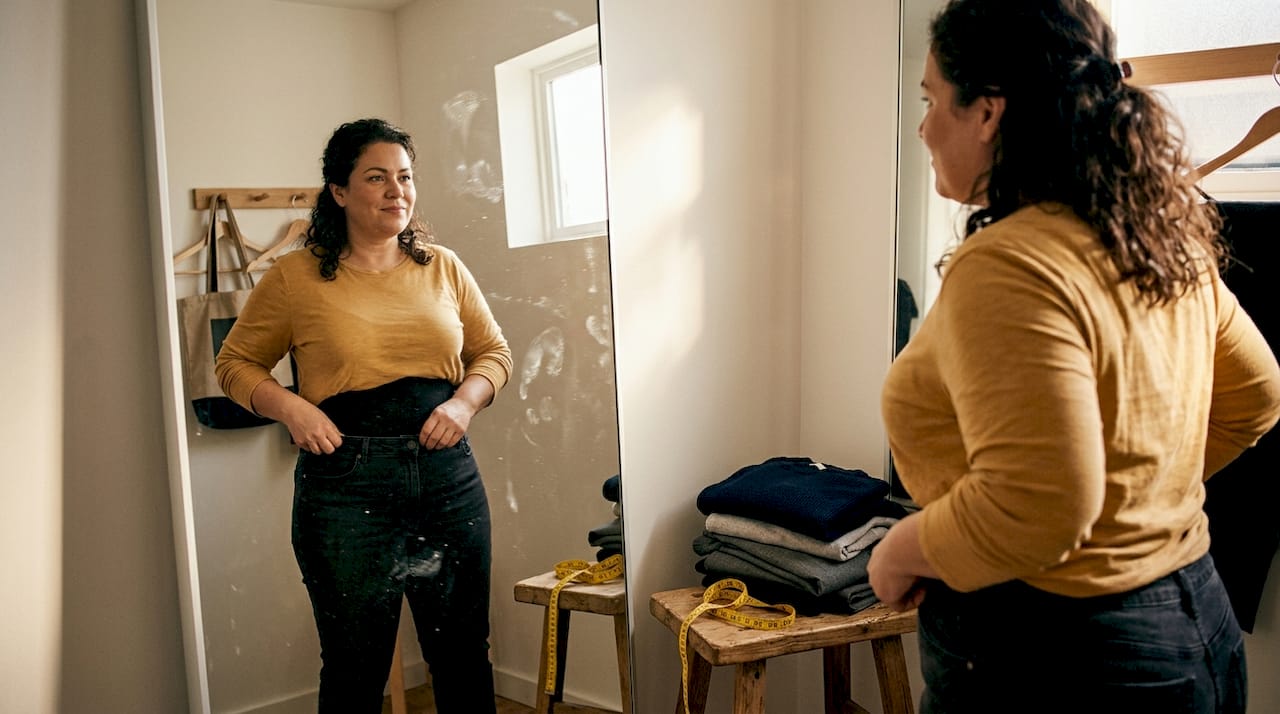
Pro Tip: Take your measurements every few months. Bodies change with seasons, workouts, and life events. Your shapewear size may shift even when your clothing size doesn’t.
Everyday comfort strategies: Tips for all-day wear and confidence
Finding the right shapewear is step one. Wearing it confidently all day is the real goal. These strategies help you get there without spending the afternoon adjusting your waistband.
Before you leave the house:
- Do a seated test. Sit down fully and check that nothing digs, rolls, or restricts your breathing.
- Walk around for two minutes. If it shifts, it will keep shifting.
- Bend forward. Make sure the waistband stays in place and doesn’t cut into your skin.
- Check for visible lines under your outfit in natural lighting.
- Take a deep breath. You should be able to breathe fully and comfortably.
What to wear with shapewear:
Layering matters. Breathable cotton underwear under shapewear can reduce friction and improve comfort over long wear. Over shapewear, choose fabrics that don’t cling or add heat. Loose-fitting tops or structured blazers work well over backless seamless shapewear for a polished, comfortable look.
Troubleshooting common issues:
- Rolling waistband: Try a higher-waist style or one with a silicone grip band.
- Skin marks after wear: The compression is too firm or the size is too small.
- Overheating: Switch to a lighter fabric or a style with mesh panels.
- Visible panty line: Choose a seamless style or a thong-cut bottom.
Shapermint’s soft, light compression styles are noted for all-day comfort across a wide size range from XS to 3XL, which proves that comfort at every size is achievable with the right design. Trying slimming waist shapewear in a seamless, breathable construction is a great way to test what all-day comfort actually feels like.
“The best shapewear routine isn’t about wearing the most control. It’s about wearing the right control for your day.”
Pro Tip: Rotate between two or three shapewear styles to give your skin a break and extend the life of each piece. Wearing the same garment every day speeds up fabric fatigue and reduces its shaping effect.
What most shapewear guides miss: Fit is personal, not just technical
Here’s something the standard size charts won’t tell you: the most comfortable shapewear is the one you actually want to put on again. That’s a personal thing, not a technical one.
Most guides give you the mechanics, which is useful. But they can’t account for the fact that you might hate the feeling of anything above your belly button, or that you run warm and need mesh panels no matter what the compression level says. Expert advice distinguishes between general fit guides and the personal trial-and-error needed for true comfort, and that distinction matters.
The shapewear industry sometimes sells the idea that more control equals better results. We’d push back on that. Confidence comes from feeling good in your body, not from squeezing it into submission. The best piece you can own is one that enhances how you already feel, not one that makes you count down the hours until you can take it off.
Explore styles like seamless body suit shapewear with an open mind. Try something lighter than you think you need. Notice how your body moves in it. That feedback is more valuable than any size chart.
Discover shapewear made for comfort and confidence
If this guide has helped you get clearer on what you need, the next step is finding shapewear that actually delivers on those standards. Comfort-first design isn’t a compromise. It’s the whole point.
At Empower Curve, every piece is built around the idea that shapewear should move with you, not restrict you. From seamless high waist shapewear that stays put all day to full body shapewear designed for special occasions, the collection covers a wide range of sizes, styles, and compression needs. Browse the full Empower Curve collection and find the pieces that fit your body, your lifestyle, and your confidence.
Frequently asked questions
How do I know which shapewear size to choose?
Measure your waist, hips, and bust, then match those numbers to the brand’s size chart. Never size down expecting better shaping results, as proper fit always delivers more comfort and better control.
Is it comfortable to wear shapewear all day?
Light or medium compression in breathable fabrics can be worn comfortably all day. Shapermint and Spanx have both been reviewed positively for extended daily wear across multiple body types.
What should I do if my shapewear rolls down or bunches up?
Check your size first since most rolling comes from a poor fit. Look for styles with silicone grip bands, and consider whether the cut matches your body shape for a more secure hold.
Can I wear shapewear under any type of clothing?
Yes, but seamless designs and thin fabrics work best under tighter outfits or lighter colors. Seamless styles like Spanx are frequently recommended for everyday layering because they minimize visible lines.
What’s the difference between light, medium, and firm compression?
Light compression smooths, medium sculpts, and firm shapes dramatically. Experts recommend matching your compression level to your activity and how long you plan to wear it, not just the look you want to achieve.

